QR Ordering Apps: The New Dining Experience
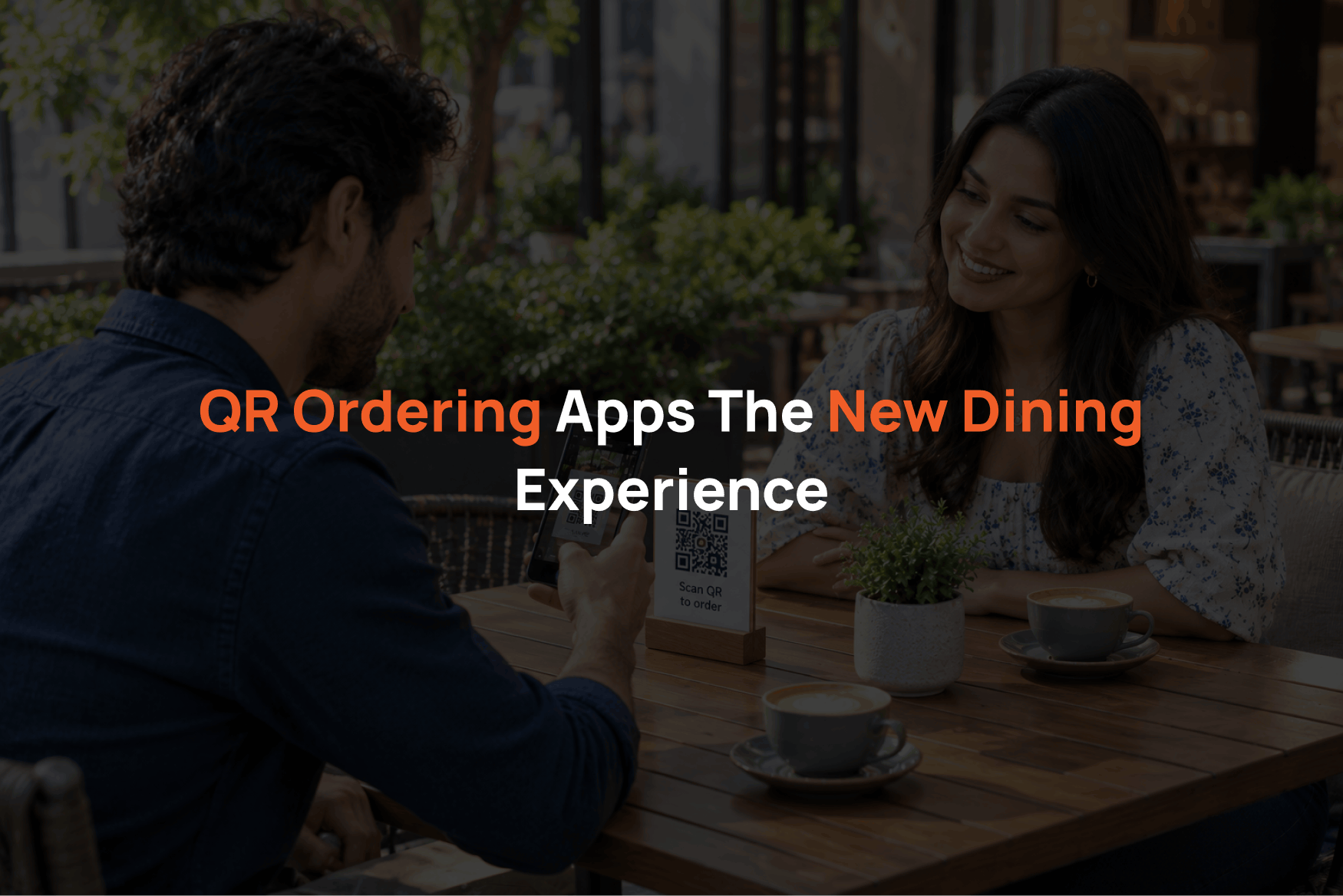
Walk into any café or restaurant today and you’ll spot it before the waiter has even got to your table: a small card with a QR code, placed where the paper menu used to be. Scan it, browse, order, pay, all without waving anyone down. That shift has quietly become one of the more requested projects for teams doing restaurant app development Australia wide, as venues realise a laminated menu just can’t compete with something that updates in real time and takes payment on the spot.
It’s also become one of the more common briefs inside broader mobile app development Australia work, since the same underlying tech now powers everything from a single cafe’s ordering screen to a multi-location chain’s entire dine-in experience.
Why This Caught On So Fast
Nobody planned for QR ordering to become permanent. It began as a stop-gap measure, a way to give someone a menu contact-free, without actually handing it to them. The reason it hung around after that is that it actually solved problems restaurants had been living with for years. Staff spend less time taking orders and more time actually serving food. Kitchens get orders typed correctly instead of scribbled and half-guessed. And diners get to browse at their own pace instead of feeling rushed by a hovering server.
There’s also a cost side to this that venue owners noticed pretty quickly. A printed menu needs reprinting every time a price changes or a dish gets swapped out, which adds up fast for a seasonal menu. A digital one gets updated in seconds, from any device, without a single page going in the bin.
What a Good QR Ordering App Actually Needs

It is possible to discern the difference between different QR menus the moment that actual customers begin using them. Not all QR menus are made equal. Those that are successful are distinguished from those that silently drive people nuts by the following defining characteristics:
- A menu that updates instantly when something sells out, not twenty minutes later
- Clear item photos and descriptions, since nobody’s asking a waiter for details anymore
- A fast, simple checkout that doesn’t demand an account just to order a coffee
- Kitchen-side integration, so orders land directly on a screen instead of needing to be re-typed
- Support for split orders or multiple diners at one table paying separately
If you skip any of these, the app will become just another thing on the list of things that employees have to work around, rather than something that truly assists them in their responsibilities. It is also important to consider who is actually utilising the gadget; not every table is filled with people who are confident in their ability to utilise a phone.
A good QR app has to feel intuitive to a nervous first timer, and also to someone who orders everything through their phone every single day and neither group should feel like the experience was built for the other one.
Where It’s Heading Next
QR ordering is not going to remain unchanged. Locations are including loyalty points into the same scan, which allows them to keep track of repeat visits without requiring the download of a separate app. The kitchen is receiving real-time wait estimates from some establishments, which means that a table that is ordering during a rush will receive an accurate time rather than a guess.
Others are connecting the ordering flow straight into stock management, so a dish gets pulled from the menu the moment ingredients run low, rather than after a few frustrated customers order it anyway. A handful are experimenting with personalised suggestions too, nothing intrusive, just surfacing a dish someone’s ordered before or a pairing that tends to sell well with what’s already in their cart.
None of this replaces good service. If anything, it frees staff up to focus on the parts of hospitality that actually need a person, checking in on a table, handling a special request, making someone feel looked after, rather than typing orders into a till. The venues getting this balance right tend to treat the app as one more staff member handling the repetitive parts of service, not a replacement for the people actually running the floor.
What This Looks Like Done Properly

This is exactly the kind of build App Gurus takes on for hospitality clients. Rather than adapting a generic QR menu template, the team builds ordering flows around how a specific venue actually runs service, whether that’s a single busy cafe needing fast turnover or a multi-location group needing one system across every site.
Menu changes, stock syncing, and kitchen display integration all get built into the one app instead of stitched together from separate tools.
Conclusion
QR ordering stopped being a pandemic-era workaround a while ago and turned into something diners now expect by default. The venues getting real value from it aren’t just the ones with a QR code on the table; they’re the ones where the app actually fits how the kitchen and floor staff work day to day.
If you’re weighing up building something custom for your own venue rather than settling for a generic template, App Gurus offers restaurant app development Australia hospitality businesses can rely on, built by a team that’s also done broader mobile app development Australia work across other industries facing the same kind of operational pressure.
Let’s talk

Schedule a time for personalized analysis and solutions to scale your business effectively.


With more than 14 years in the game, we excel in delivering top-notch IT solutions tailored for medium-sized enterprises and large corporations. We're committed to your success, taking great pride in both our craftsmanship and the relationships we build with our clients.

Boost your Business Today by Teaming up with the Best!
1.5k Brochure Downloaded