Building Digital Wallet & Payment Apps with Flutter in Australia
- Why Flutter is a Strong Choice for Fintech and Wallet Apps?
- Features of a Digital Wallet App
- Secure User Authentication
- Payment Processing Integration
- Transaction Tracking and Notifications
- QR Code and Contactless Payments
- Development Best Practices for Flutter Wallet Apps
- Use a scalable, secure backend architecture
- Keep sensitive data off the device
- Design APIs for safety, not just speed
- Optimize UX for fast payments
- Implement real-time monitoring and alerting
- Test security and performance continuously
- Plan updates and compliance from day one
- Conclusion
Digital payments are quickly becoming the most common way to pay in Australia, thanks to the growth of fintech platforms, mobile banking, and contactless payment systems.
People expect to be able to pay for things quickly, easily, and safely through mobile apps that let them handle transactions, save payment methods, and send money to other people.
Development teams are using more and more up-to-date frameworks that help with speed, scalability, and performance as fintech solutions change.
Australia has a lot of people who use Flutter app development to make apps for digital wallets and payments. This is because it lets developers use a single codebase to make great apps for both iOS and Android.
Why Flutter is a Strong Choice for Fintech and Wallet Apps?
These are some of the most important advantages:
- Single codebase development: With Flutter, developers can make apps for both iOS and Android at the same time. This cuts down on time and costs.
- High-performance UI: That’s important for financial apps because the rendering engine in Flutter makes sure that animations work well and interfaces are responsive.
- Shorter development cycles: Hot reload and modular architecture make it easy for developers to test and release updates quickly.
- Architecture that can grow: Flutter works well with the backends and APIs of modern fintech platforms.
For these reasons, Flutter is a good framework for making digital wallet apps that are full of features and can grow.
Features of a Digital Wallet App
Digital wallet apps need to be quick, safe, and easy to use in order to make payments go smoothly. All wallet apps today should have these key features.
Secure User Authentication

Only people who are supposed to be able to get into an account can do so with a strong authentication system. Digital wallet apps often use biometric authentication, one-time passwords, and multi-factor authentication as ways to make sure that someone is who they say they are. People who don’t have permission are less likely to get to your financial information if you follow these steps.
Payment Processing Integration
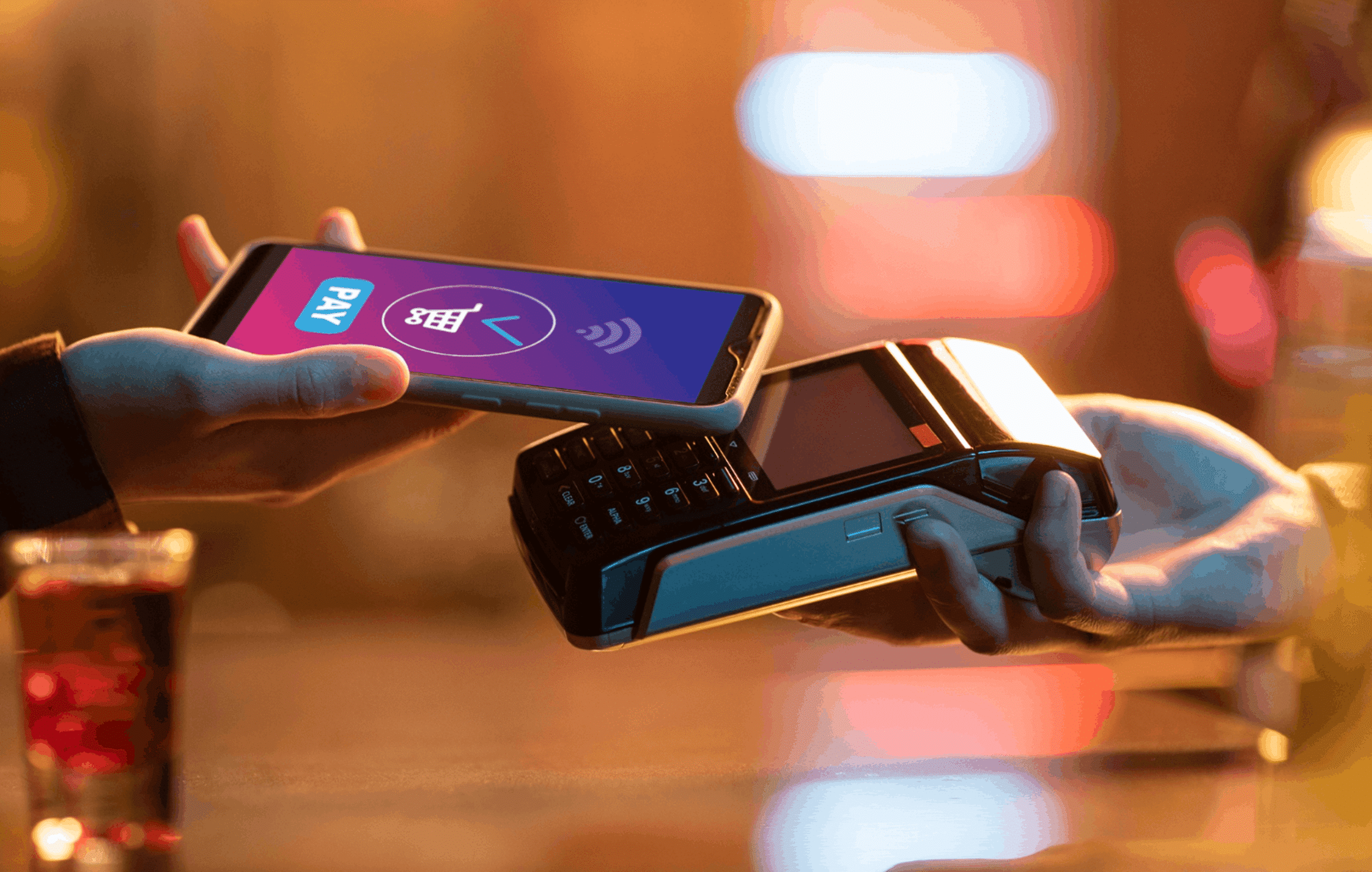
A digital wallet needs to be quick and safe at processing payments. To let users send money, pay merchants, and change how they pay, these apps connect to card networks, banking APIs, and payment gateways. When payment integration works well, it speeds up transactions and makes people trust the platform more in general.
Transaction Tracking and Notifications
The ability to understand is a key part of any financial app. Users of digital wallet apps can see a full history of all their transactions, get real-time updates on payments, and be notified right away when transactions are finished or are still pending. These features help users better manage their money and keep track of what they spend.
QR Code and Contactless Payments
Wallet apps today often have features that make transactions easier, like the ability to scan QR codes and use contactless payments. When people scan QR codes, use NFC, or any other contactless technology, they can quickly pay for things. This makes transactions faster and easier because you don’t have to type in payment information by hand.
Development Best Practices for Flutter Wallet Apps
These tips will help you make sure that your Flutter wallet apps stay reliable as the number of users and transactions grows.
Use a scalable, secure backend architecture
The backend of a wallet app should be able to handle a lot of users and transactions that happen right away, without any delays. To keep transaction states from changing or being tampered with, use secure cloud infrastructure, separate services (like authentication, payments, and notifications), and make sure APIs work.
Keep sensitive data off the device
Storage of important payment information locally is not recommended unless it is really needed. If you need to store tokens or session state, make sure they are encrypted securely and use a “minimum data” strategy to keep financial information safe from a device that has been hacked.
Design APIs for safety, not just speed
Payment flows need API communication that is safe with TLS, strong authentication, and, if needed, request signing. To avoid being charged twice, make sure that server-side transaction integrity checks are done and that user accounts and admin functions are protected by role-based access.
Optimize UX for fast payments
Speed and clarity determine how good a wallet app is. Shorten the payment process, get rid of screens that aren’t needed, show the status of the transaction (pending, successful, or failed), and give immediate feedback through loaders and confirmations without putting private information in UI messages.
Implement real-time monitoring and alerting
The real world is something that a safe wallet app needs to be able to see. You should add logs for important actions like starting a payment, logging in, or switching devices. Watch for unusual behavior, like repeated failed attempts or strange transaction patterns, and set alerts for error spikes.
Test security and performance continuously
If you want to make sure there are no security holes, you should do regular penetration tests and API security tests. The wallet app should also work well when the network is slow, there are a lot of users, and devices are spread out. This is because wallet apps need to be able to work well even when the internet is slow.
Plan updates and compliance from day one
Fintech apps are always changing because of things like new types of fraud, new rules for compliance, new devices, and new versions of payment gateways. If you use modular components in your Flutter app, you can change things like payment methods, Know Your Customer (KYC) steps, or security layers without having to write the whole thing over again.
Conclusion
Payments are getting easier and faster with apps for digital wallets that change how money is handled. It is important for businesses to make payment platforms that are safe, scalable, and simple for customers to use as Australia’s use of fintech grows.
Flutter is a great framework for making modern fintech apps because it is easy to use and works well on many platforms. Businesses can make safe digital wallets that meet security and regulatory standards, and make payments easy with the help of Flutter developers who have a lot of experience.
Let’s talk

Schedule a time for personalized analysis and solutions to scale your business effectively.



With more than 12 years in the game, we excel in delivering top-notch IT solutions tailored for medium-sized enterprises and large corporations. We're committed to your success, taking great pride in both our craftsmanship and the relationships we build with our clients.

Boost your Business Today by Teaming up with the Best!
1.5k brochure Downloaded