Features Every Healthcare Mobile App Must Have
- 10 Features for Your Healthcare Mobile App
- Secure User Authentication
- Regulatory Compliance and Data Security
- Appointment Scheduling and Reminders
- Telehealth and Video Consultation
- Electronic Health Records Integration
- Prescription Management
- Real-Time Notification and Alerts
- In-App Messaging and Support
- Payment and Insurance Integration
- Wearable Device and Health Tracker Integration
- Conclusion
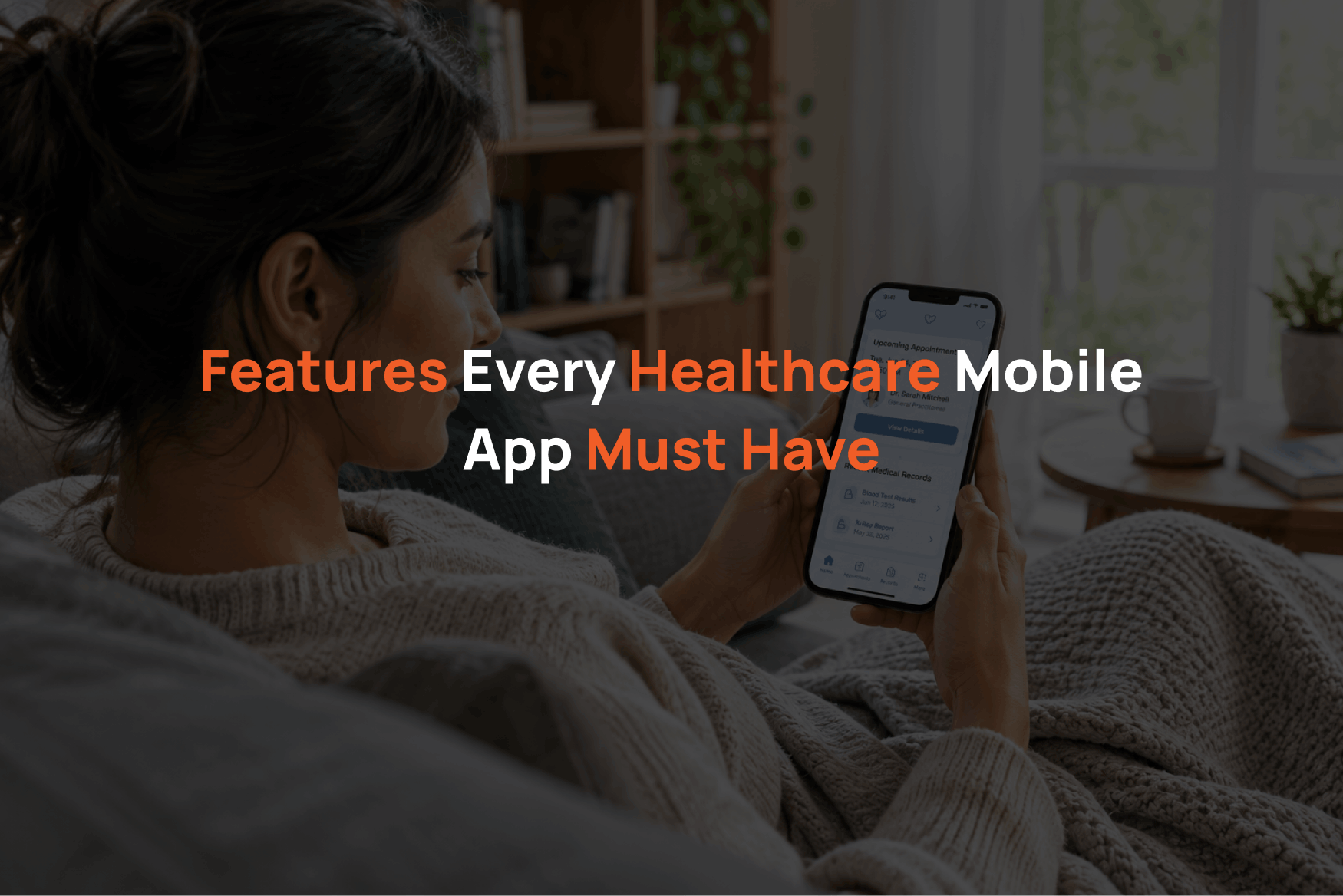
The healthcare industry has experienced quite a rollercoaster ride in the last few years. You can book your specialist, check lab results and consult your doctor on your phone just as easily as you book a cab or order your food. The healthcare app market is valued at $114.2B in 2024 and is expected to become $1070B by 2030, with millions of apps around you to help you with that.
However, when you’re building your healthcare app, there are several factors you should keep in mind. You have to offer patient safety, data privacy and regulatory compliance. So, you see, without the right features, you will only frustrate your users or worse put sensitive health data at risk. So, before you build your own healthcare app, let’s list down the must-have features for a healthcare mobile app.
10 Features for Your Healthcare Mobile App
Here is the list of features that separate a genuinely useful healthcare app from one that simply looks good in a demo.
Secure User Authentication
Your healthcare apps are going to handle a lot of sensitive data. So, strong authentication is a non-negotiable healthcare app feature. Go for multi-factor authentication, biometric login options like fingerprint or face recognition and session timeouts that would automatically log users out after periods of inactivity. For multiple-serving users, including patients, doctors, and administrative staff, make sure that each user sees information relevant to them.
Regulatory Compliance and Data Security
If you are going to launch a healthcare app, there are some regulatory compliance and data security rules that you need to follow, like OAIC and FHIR standards for Australia, HIPAA for the US and GDPR for Europe. You can expect these rules to impact everything from how data is encrypted in transit and at rest to how long records would be stored. Compliance is not a feature, but it can turn your architecture upside down.
Appointment Scheduling and Reminders
A smooth scheduling system is important for the patients. Users should clearly see the availability, book or reschedule options and receive automated reminders for their appointments via push notifications, SMS or email. If you go the extra mile in this case, you may have made a difference from apps that lie in the corner of your phone.
Telehealth and Video Consultation
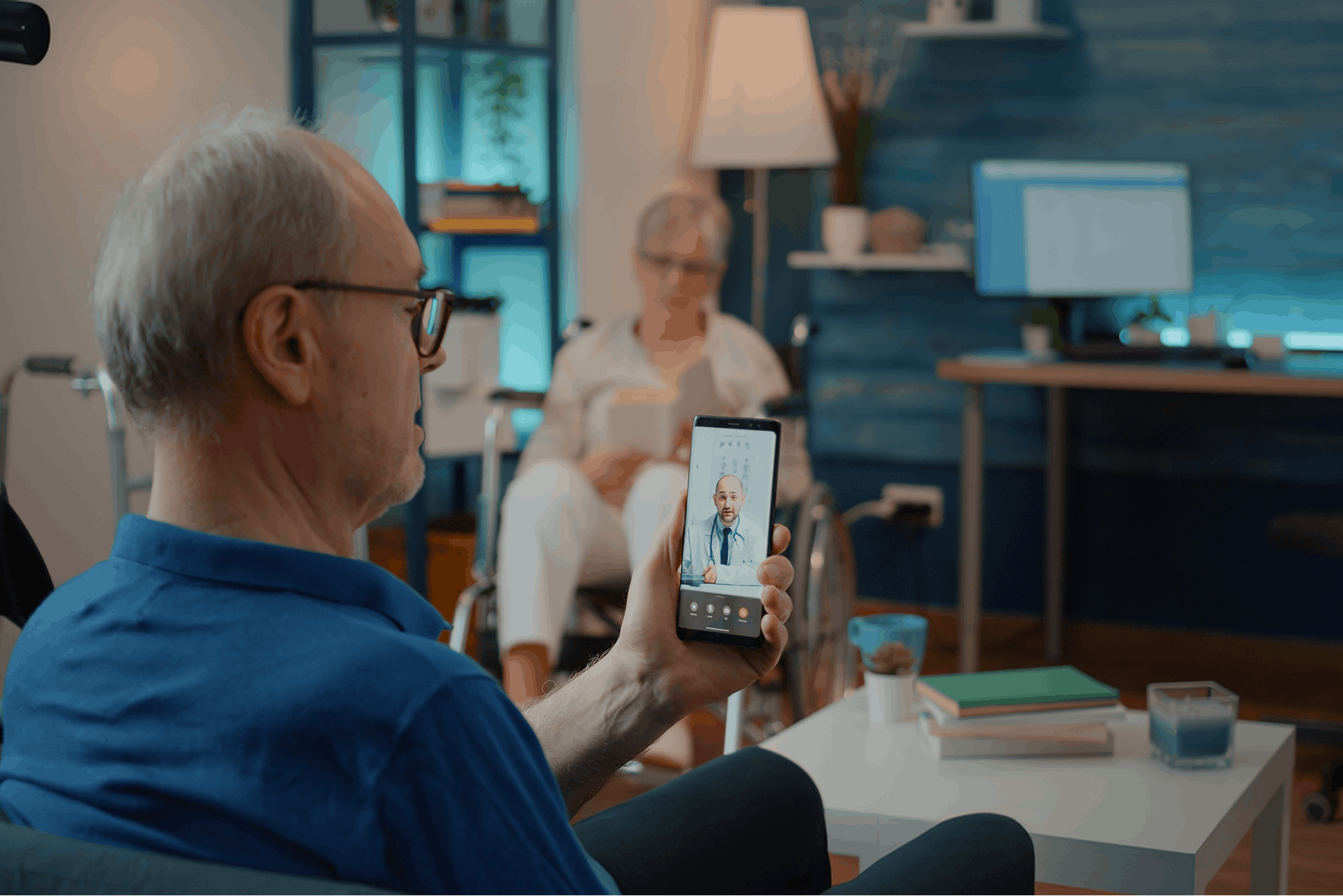
Since COVID, remote care adoption and video consultation have become a part of the new normal. It’s a nice-to-have healthcare app feature for the providers. So, your app needs a stable video and audio quality, in-app chat for follow-up questions and screen sharing for showing reports together.
Electronic Health Records Integration
As we have digitalised everything, most of the time we don’t carry our prescriptions or reports with us. So, we need an app that can connect with existing EHR systems and allow patients to view their medical history, test results, prescriptions and immunisation records all at a time. Also, allow sharing of these reports with the doctors and pharmacy as well.
Prescription Management
Patients should be able to see all their prescriptions, refills and receive reminders to take medications on time. You can go the extra mile while launching your healthcare app and also integrate pharmacy networks so prescriptions can be sent electronically, without the extra paperwork.
Real-Time Notification and Alerts
One of the most helpful features for a healthcare app can be real-time notifications. For people with elderly patients at home or elderly users, notifications are important to remember their medicine, to see the lab reports or to book appointments for routine visits. Send alert messages for abnormal lab results, medication interactions, or upcoming vacations to help people take care of their own health and diagnose their issues early.
In-App Messaging and Support
Patients often have questions and confusion about their issues, medications, and test results. They can’t go and visit the doctor in person for every slightest inconvenience, isn’t it? So, why not allow them to chat with their doctors for quick clarification, symptom check-ins or medication updates?
Payment and Insurance Integration
As payment options are also digitalised, let the patients’ family handle billing within the app as well. Healthcare app features like viewing itemised bills, making payments, insurance coverage, and submitting claims can provide transparency, track records and decrease paperwork, all at once. So, you can integrate it with UPI options or take card details of the patient to take care of payments.
Wearable Device and Health Tracker Integration
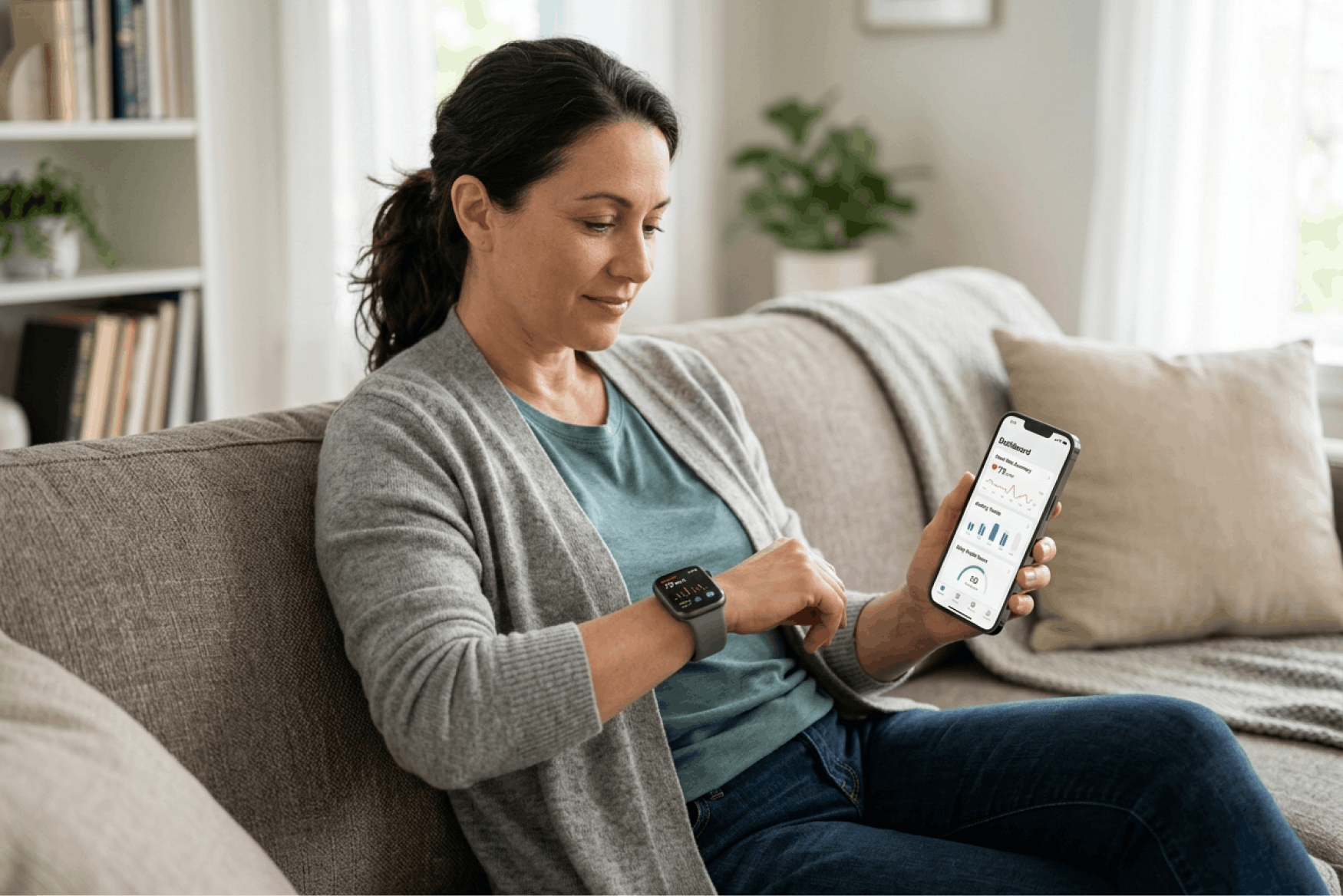
People are more drawn towards wearable devices now, making it an industry valued at $70.3 billion in 2026. 1 out of every 5 people has wearables. So, your app must integrate with the wearable smoothly and can analyse real-time data on heart rate, sleep patterns, blood glucose or activity levels.
Conclusion
The best healthcare apps do more than digitise existing processes. They reduce the overall load on patients and automate the process while safeguarding sensitive information at each step. These features will save you from missing out on an important feature while planning your app. Just remember, this is the framework. Everything else you add on top should serve to make healthcare faster and simpler for people out there.
Let’s talk

Schedule a time for personalized analysis and solutions to scale your business effectively.


With more than 12 years in the game, we excel in delivering top-notch IT solutions tailored for medium-sized enterprises and large corporations. We're committed to your success, taking great pride in both our craftsmanship and the relationships we build with our clients.

Boost your Business Today by Teaming up with the Best!
1.5k Brochure Downloaded