How Agentic AI Is Transforming Mobile Applications
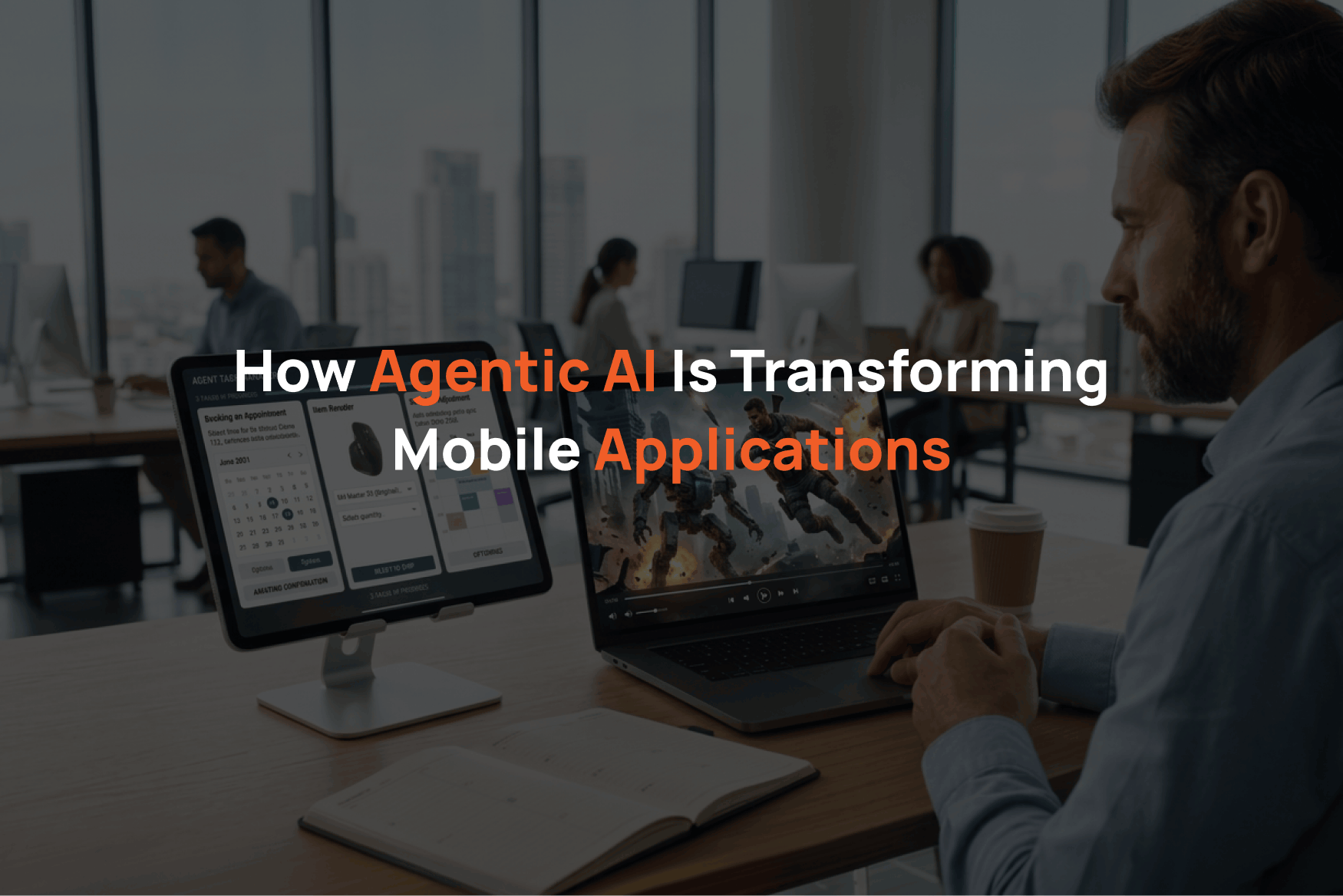
For a number of years, the phrase “artificial intelligence in an app” primarily referred to a chatbot that provided answers to questions or a recommendation engine that made educated guesses about what you would like next. AI that can act on its own is an entirely different animal. It does not merely react; rather, it plans, acts, and follows through on multi-step tasks within the app on its own. For example, it can book an appointment, reorder an item, and adjust the schedule without the need for someone to tap through five screens in order to make it happen.
It is precisely because of this shift that businesses are now looking for AI app development in Australia teams that actually understand how to build agents, rather than simply adding a chatbot widget to an existing app. It’s becoming one of the more requested parts of agentic AI app development briefs coming through right now, and it’s changing what “smart” even means in a mobile app.
What Makes an Agent Different From a Regular AI Feature
A standard AI feature answers a single prompt and stops. An agent keeps going. A goal can be decomposed into steps. The steps can be accomplished by calling the app’s own functions or external APIs. The result can be verified if it matches what was asked for, and adjusted if it does not match.
Ask a travel app to “sort out my Friday trip” and a basic assistant might suggest a flight. An agentic one is able to check the calendar, compare the available flight and hotel options, book what is within the budget, and send a confirmation, all without the need for a person to click thru each step individually. It is not the level of intelligence that makes the difference; rather, it is the percentage of the actual task that the application is trusted to complete on its own responsibility.
Where This Actually Shows Up in Mobile Apps
- Booking and scheduling apps that handle rescheduling, cancellations, and follow-ups without manual input
- E-commerce apps that reorder stock, adjust pricing, or personalise recommendations based on real-time behaviour
- Field service and logistics apps that reassign jobs or reroute drivers when something changes mid-shift
- Customer support that resolves a full ticket end to end, not just the first reply
- Health and fitness apps that adjust a plan automatically based on what the user’s actually doing, not just what they logged
None of these need every task automated at once. Most teams start with one narrow, well-defined workflow, get it reliable, then expand from there rather than trying to make the whole app agentic on day one.
What This Means for Development Decisions

Building an agent isn’t the same project as adding a chatbot screen. It usually means giving the AI controlled access to real app functions and data, deciding exactly what it’s allowed to do without a human checking first, and building in a way to review or roll back an action if something goes wrong. Most agentic AI app development work spends more time on this governance layer than on the AI model itself, since the model choice is rarely the hard part anymore.
Skip that governance layer and you end up with an agent that’s technically impressive and genuinely risky to actually ship. Getting the balance right, useful automation without losing the ability to catch mistakes, is most of what separates a working agentic feature from a demo that never makes it to production.
How App Gurus Approaches This

This is exactly the kind of build App Gurus takes on. The team’s AI development work already includes AI-powered chatbots and virtual assistants that qualify leads and guide users through an app, along with AI-driven personalisation and computer vision features built directly into client apps. Agentic AI app development extends that same foundation, adding the planning and multi-step execution layer on top of features App Gurus has already been shipping for clients across industries like healthcare, logistics, and e-commerce.
Conclusion
Agentic AI is still new enough that plenty of apps calling themselves “AI-powered” are really just running a chatbot with better branding. It is the applications in which the artificial intelligence is able to carry a task through to completion, rather than simply describing what steps to take next, that will actually feel different to use.
The difference between the two is more important than any particular model or framework because users do not notice which artificial intelligence is operating beneath the surface; rather, they notice whether the application actually completed the task or simply talked about it. If you’re exploring what this could look like inside your own app, App Gurus offers AI app development Australia businesses can use to figure out where an agent genuinely earns its place, and where a simpler feature is honestly the better call.
Let’s talk

Schedule a time for personalized analysis and solutions to scale your business effectively.


With more than 14 years in the game, we excel in delivering top-notch IT solutions tailored for medium-sized enterprises and large corporations. We're committed to your success, taking great pride in both our craftsmanship and the relationships we build with our clients.

Boost your Business Today by Teaming up with the Best!
1.5k Brochure Downloaded