Compliance Requirements for Financial Apps in Australia
Thinking about building a money app? Then Financial app compliance in Australia is something to sort out early, ideally before you hire anyone. Licences, privacy, scam rules and anti-money laundering all play a part, and a few of them changed this year.
We will go through what matters in order, so you can tell which rules apply to your app and which ones don’t.
Start with the licence question
Most founders ask about features first. We will ask about licences first. If your app gives financial product advice, arranges payments or offers credit, you’ll probably need an Australian Financial Services Licence or a credit licence. The other route is working under a partner who already holds one.
ASIC is the regulator here. It expects licensed firms to meet general conduct duties under section 912A of the Corporations Act, and it has gone after companies with weak controls on unauthorised payments. What you need depends on what the app does, not what it’s called. A quick chat with a financial services lawyer at the start usually saves a lot of rework.
This is also where Australian financial regulations begin to shape the build, because the licence you hold decides which other rules come with it.
Privacy and data breaches
Any app that stores customer details is subject to the Privacy Act. The OAIC publishes breaches, and finance is near the top. Between January and June 2025 it received 532 breach notifications. The finance sector made up 14% of them, second only to health (OAIC statistics). In the same period, human error accounted for 37% of breaches. So the problem isn’t only hackers. A wrong email or a loose permission can do the same damage.
Two more dates to keep in mind:
- The statutory tort for serious invasions of privacy started on 10 June 2025. Individuals can now bring legal proceedings directly.
- Beginning 10 December 2026, if your app makes automated decisions that have a tangible impact on people like credit checks or account approvals, you will need to include that in your privacy policy. The OAIC guidance explains what counts.
Anti-money laundering rules
AUSTRAC changed the AML/CTF rules in stages this year. New obligations for currently regulated businesses began on 31 March 2026, and the newly covered sectors followed on 1 July 2026 (AUSTRAC). Crypto and virtual asset providers were pulled in on that same July date too, including the travel rule for transfers.
Therefore, if the application involves transactions of any kind, from payments, remittances or cryptocurrencies, then it is necessary to identify whether it is a reporting entity. In case of being one, an anti-money laundering/counter terrorist financing program, customer due diligence procedures, staff training and a designated compliance officer are required. This deadline is already behind us now, hence the regularity of this obligation.
Scam rules coming in 2027

The Scams Prevention Framework Act became law in February 2025. Banks, telcos and some digital platforms are covered first, and ASIC is the sector regulator for banks (ASIC). The majority of obligations are planned to become effective as of 31 March 2027 according to the commentary of the law firm, while the legislation provides penalties of up to $50 million in case of failure to take reasonable measures.
For an application development team, this will be about fraud identification, clear notification of the user before making a payment and the ability to report any suspicious activities. Adding those later is harder than planning them now.
If you build for banks or super funds
Software vendors sometimes miss this one. If your clients are APRA regulated, you may be considered a material service provider under CPS 230. The standard took effect on 1 July 2025 with a transition period for existing contracts (APRA). Material incidents need to be reported to APRA within 72 hours so your client will want to know how fast you can raise a red flag.
In Fintech app development Australia projects, we get asked this during contract talks. It helps to have written answers ready.
Payments and security
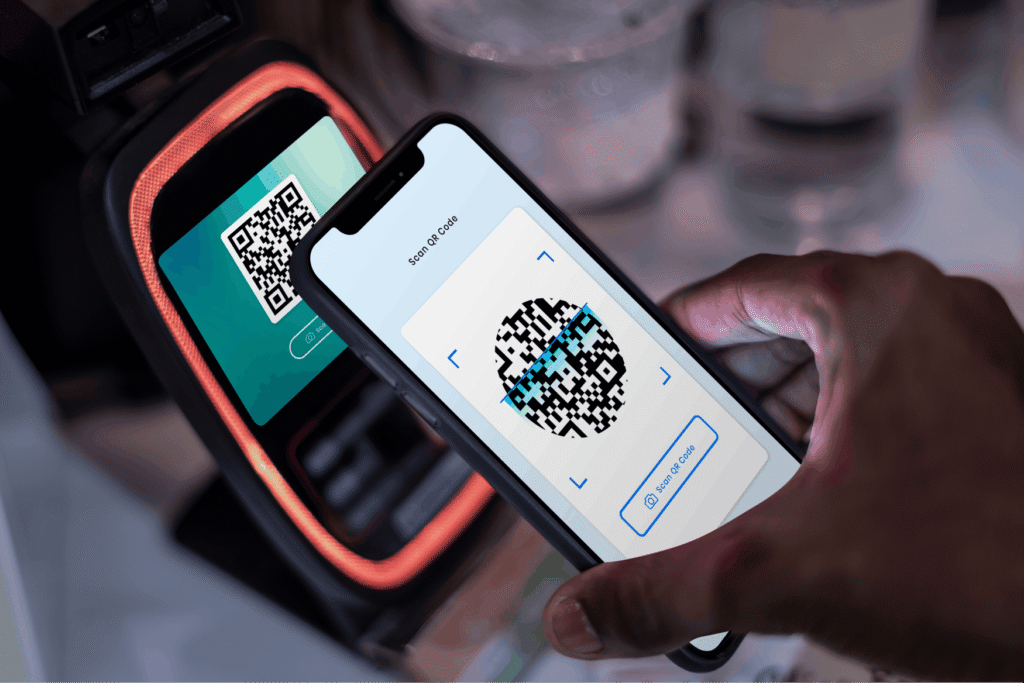
Card payments bring PCI DSS into the picture. That standard comes from the card schemes, not from legislation, but you still have to follow it. The ePayments Code covers how unauthorised transactions are investigated and answered, and ASIC has alleged that one bank missed the required timeframes.
On the technical side, multi-factor login, encrypted storage and proper audit logs are standard in Mobile app development Australia work for finance clients. They also cover a good part of the rules above in one go, which is a good reason to build them in from day one.
Records worth keeping from the start
The regulator and bank customers always demand proof, not guarantees. There are several documents which will be worth updating during the application development process: data mapping (the location of client data), a list of third-party applications and permissions provided to them, data breach response plan and notes on automated decision-making capabilities.
None of this is complicated. It just takes less effort when it is written as you go than when it is rebuilt from memory during an audit.
What we’ve seen on real projects at Appgurus
We’re a Brisbane team with over 14 years in app development. On finance projects like Mates Invest, a social investing app where every user keeps their own brokerage account, the same thing keeps happening. Questions about licences, data storage and third-party providers come up in the very first meetings. So we write them down before design starts, and it keeps later changes small.
A short checklist
For Financial app compliance in Australia, we will start here:
- Confirm whether you need a licence or a licensed partner
- Map where customer data is collected, stored and shared
- Write a breach response plan with clear notification steps
- Check if AUSTRAC treats your app as a reporting entity
- List any automated decisions before 10 December 2026
- Plan scam warnings and reporting tools ahead of March 2027
Conclusion
The Australian financial regulations that apply to you depend on what your app does and who it serves. They also keep moving, so check dates on the regulators’ own pages. With early planning, Fintech app development Australia teams can treat licensing, privacy, AML/CTF and scam rules as normal project work.
Let’s talk

Schedule a time for personalized analysis and solutions to scale your business effectively.



With more than 14 years in the game, we excel in delivering top-notch IT solutions tailored for medium-sized enterprises and large corporations. We're committed to your success, taking great pride in both our craftsmanship and the relationships we build with our clients.

Boost your Business Today by Teaming up with the Best!
1.5k Brochure Downloaded