Tourism Businesses and the Need for Mobile Apps
- Visitors Decide Long Before They Arrive
- What Different Tourism Businesses Actually Need
- Tour and Experience Operators
- Accommodation Providers
- Attractions, Museums and Parks
- Regional and Remote Operators
- What Not Having an App Quietly Costs You
- Don’t Forget the Locals
- Where Tourism Apps Tend to Go Wrong
- Where App Gurus Fits In
- Conclusion
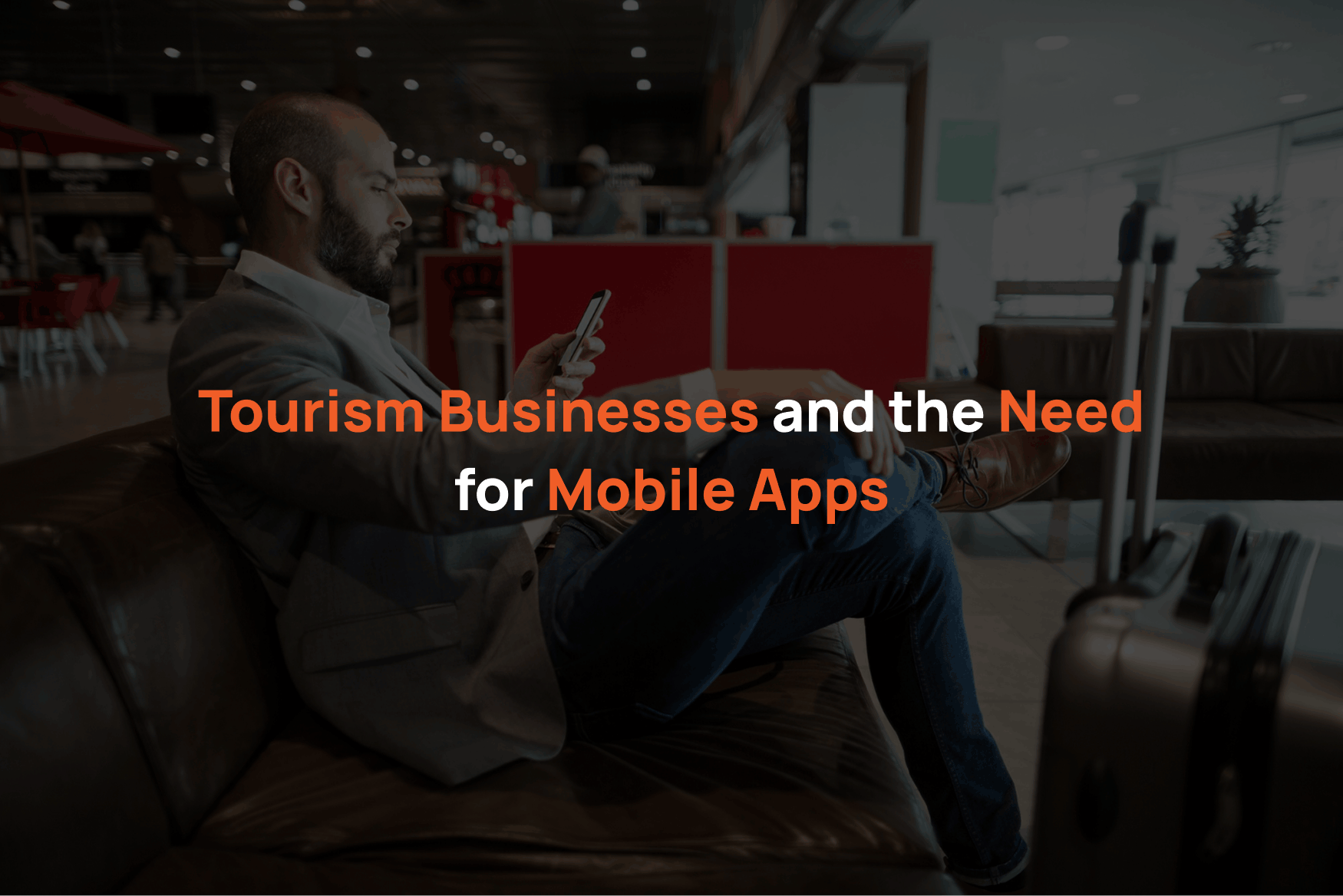
A traveller standing in a hotel lobby, a ferry queue or a national park car park does one thing before anything else: they pull out their phone. They want to know what’s open, what it costs, whether there’s still a seat on the afternoon tour. If your business can’t answer that on a small screen, they’ll find someone who can. That’s the quiet reason travel app development Australia wide has picked up so much pace, with operators of every size realising a website alone doesn’t cover what visitors now expect.
Creating tourism mobile applications doesn’t follow a fleeting trend. These apps have to be present exactly when a potential customer makes a decision to spend his or her money. It all comes together under the roof of the mobile app development Australia market.
Visitors Decide Long Before They Arrive

Previously, travellers made plans at a desk several weeks before their trips. Today, planning goes through a series of quick decisions made in the moments when something occurs to you: at night while relaxing on a couch, on a public transport, before going to bed, etc. Booking and rebooking happens instantly from a phone. And people expect to do it quickly.
It changes the approach to what your business needs to provide. A brochure website shows that your services exist. An app allows customers to make actions, not only to make a decision.
It also changes who your competition is. You’re no longer just up against the operator down the road; you’re up against every option that appears on the same screen, including ones with slicker booking flows and faster replies.
What Different Tourism Businesses Actually Need
There’s no single “tourism app”. What helps a whale watching operator looks nothing like what helps a boutique hotel.
Tour and Experience Operators

Your problem is usually availability. Seats fill, weather changes, groups get bumped. An app can show live availability, take payment on the spot and send a push notification the moment a tour is delayed or moved. Digital waivers save the awkward clipboard moment at the start of every trip.
Accommodation Providers
Most small hotels and lodges pay a fee for using other platforms to receive bookings. Having an app will allow users to make reservations directly, perform check-ins, make additional requests, and find out what activities there are around. Direct guests are easier to bring back.
Attractions, Museums and Parks
Visitors want a map that works without signal, ticket entry that skips the queue, and something to tell them what they’re looking at. Audio guides and trail information inside an app also take pressure off staff on busy days.
Regional and Remote Operators
Your app must function correctly even in areas with unstable internet connection. When visitors use an app while on the way somewhere, they can find the necessary information including how to contact you.
What Not Having an App Quietly Costs You
Nobody sends you an invoice for what you’re missing, which is why it’s easy to ignore. Over a season it adds up:
- Commission paid to booking platforms on guests who might have booked direct
- Repeat visitors who forget you because there’s no easy way to stay in touch
- No data on what people search for, skip or abandon before paying
- Last-minute changes that never reach customers in time
- Reviews and feedback that arrive weeks late, or never
None of these feels urgent on its own. Together, they’re the difference between a business that grows through returning guests and one that keeps paying to find new ones.
Don’t Forget the Locals
It’s easy to build everything around international visitors and forget that a big share of tourism spend comes from people travelling within their own country. Weekend travellers, families who are on holidays, and even visitors from other cities act differently.
They want loyalty program, easy rebooking and reasons to visit you again soon. When an app serves them as well as newcomers, it will help to fill in the period of peak season.
Where Tourism Apps Tend to Go Wrong
Plenty of tourism apps get downloaded once and deleted a week later. Usually the cause is one of a few familiar mistakes.
Trying to do everything at launch is the big one. A lean app that handles bookings and information well beats a bloated one that does ten things badly. Ignoring seasonality is another, since a tourism business has peaks and slow months, and the app should earn its keep in both. And launching without telling anyone is more common than you’d think. Your existing customers, staff and local partners are the first people who should hear about it.
Where App Gurus Fits In
Travel and tourism are among the industries App Gurus develops for. We create apps which simplify the process of booking, personalise itineraries, and help customers to connect with unique experiences. A good example is Crooked Compass, a travel app built for iOS and Android that helps adventurous travellers discover lesser-known destinations.
It includes curated destinations, personalised search, filters for price, dates, accommodation type and activities, and booking confirmations sent by email or in-app notification. Booking confirmations can be received via an email or push notifications. We have an in-house team of developers located in Brisbane with more than 14 years of experience in the industry.
Conclusion
A mobile app won’t replace good service, great scenery or a friendly guide. What it does is remove the friction between a curious traveller and a confirmed booking, and give you a direct line to people who’ve already enjoyed your business once.
If you’re weighing up whether it’s time to build one, App Gurus offers travel app development Australia businesses can rely on, with tourism mobile app development shaped around how your visitors actually behave, backed by broader mobile app development Australia experience across industries where bookings, trust and timing all matter.
Let’s talk

Schedule a time for personalized analysis and solutions to scale your business effectively.



With more than 14 years in the game, we excel in delivering top-notch IT solutions tailored for medium-sized enterprises and large corporations. We're committed to your success, taking great pride in both our craftsmanship and the relationships we build with our clients.

Boost your Business Today by Teaming up with the Best!
1.5k Brochure Downloaded