Building Telehealth Apps with Flutter for Australian Clinics
- Why Flutter is Ideal for Telehealth App Development?
- Cross-Platform Development from a Single Codebase
- High Performance for Video Consultations
- Consistent Experience for Users
- Faster Updates and Scalability
- Cost-Effective Long-Term Investment
- Core Features of a Telehealth App for Australian Clinics
- Secure Video Consultations
- Patient Registration & Identity Verification
- Appointment Scheduling & Reminders
- Electronic Medical Record (EMR) Integration
- ePrescriptions & Billing Integration
- Secure Messaging & Notifications
- Admin Dashboard for Clinics
- Compliance & Regulatory Requirements in Australia
- Australian Privacy Act & APPs
- Data Encryption & Secure Storage
- Healthcare Data Protection Standards
- TGA Considerations
- Ongoing Compliance Monitoring
- Why Choose Flutter Over Native Development?
- Simultaneous iOS and Android launch with a single codebase
- Lower overall costs of development
- Less work for long-term updates and maintenance
- The user interface and performance are the same on all devices.
- Faster deployment and iteration of features
- Architecture that can be expanded for future healthcare integrations
- Better return on investment for healthcare providers
- Development Roadmap for Australian Clinics
- Conclusion
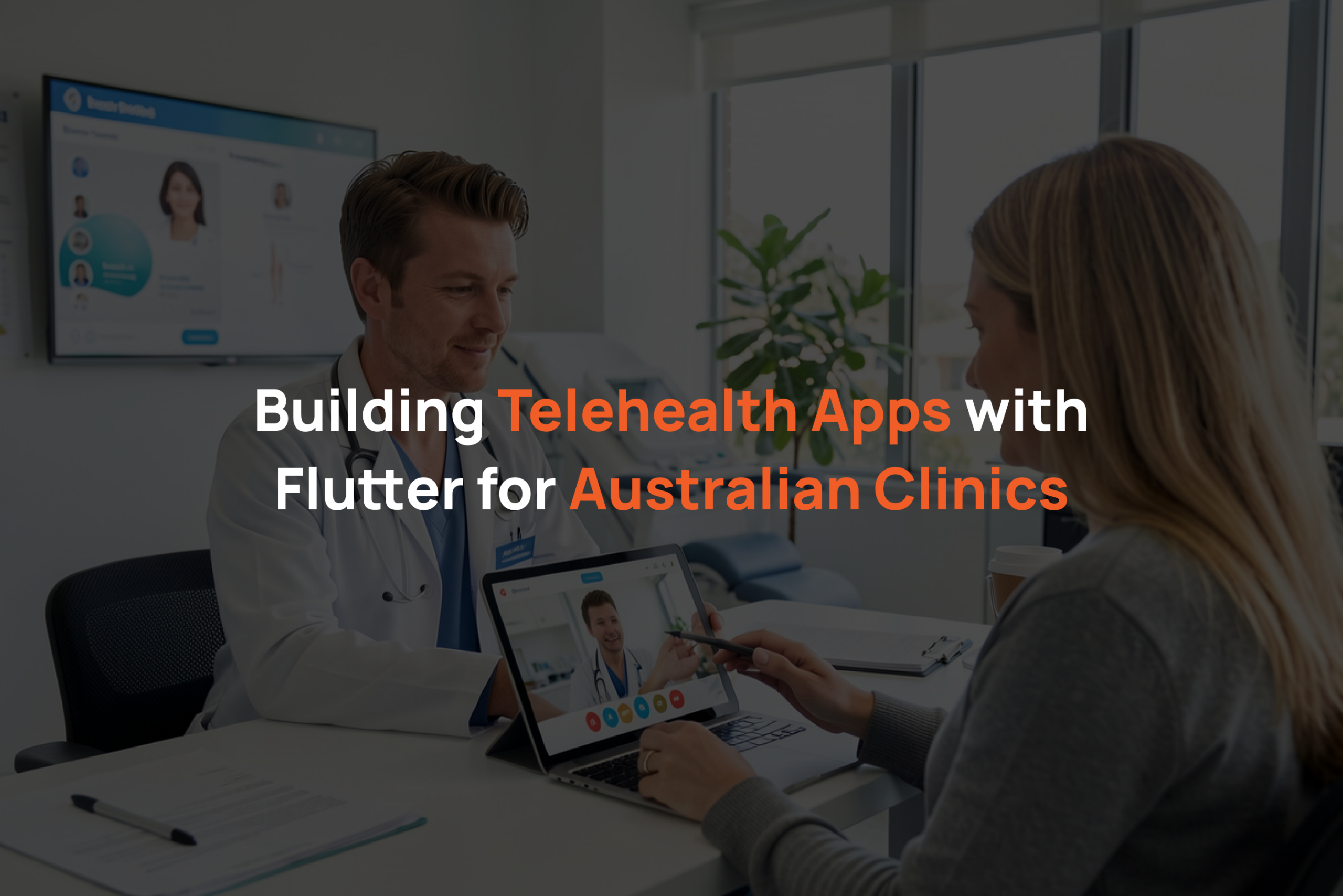
Telehealth has quickly gone from being a short-term fix to an important part of Australian healthcare. People now expect regional GP appointments, follow-ups with specialists, and mental health help to be delivered digitally. Patients want safe, easy-to-access, and secure ways to communicate with doctors without having to drive or wait for a long time.
Because of its location, Australia can benefit from telehealth. Problems with logistics are hard for traditional healthcare models to deal with in rural and remote hospitals. The Australian Institute of Health and Welfare says that telehealth talks are still higher than they were before 2020, which shows that it is being widely used in healthcare.
With the help of experienced healthcare-focused developers like App Gurus, clinics can make telehealth apps that are safe, legal, and ready for the future. These apps can also meet clinical processes and regulatory requirements.
Why Flutter is Ideal for Telehealth App Development?
This is why Flutter app development is great for making healthcare apps:
Cross-Platform Development from a Single Codebase
With Flutter, clinics can use the same script to make apps for both iOS and Android. This speeds up creation, lowers costs, and makes it easier to make changes. This efficiency will help Australian clinics that want to start up quickly without having to double their resources.
High Performance for Video Consultations
Video, messaging, and real-time conversations must work well with telehealth tools. Even with slow internet, Flutter offers stable video chats and responsive interfaces that work almost as well as native apps.
Consistent Experience for Users
Patients assume that something is usable. Flutter lets you use the same design on all devices, so patients can easily use their Android or iPhone. Clean, easy-to-use interfaces get people more involved and keep them from missing their appointments.
Faster Updates and Scalability
Clinic rules and needs change over time. Flutter makes it easier to add new features, update apps, and scale as the clinic grows. Clinics can make sure their telehealth app will work in the future with App Gurus.
Cost-Effective Long-Term Investment
Maintaining a dual-native app costs a lot. Flutter can be used by Australian clinics that are investing in digital healthcare because it lowers the cost of long-term upkeep without lowering the quality.
Core Features of a Telehealth App for Australian Clinics
These are some of the most important parts of an Australian doctor telehealth app:
Secure Video Consultations
Secure, high-quality video chats are the first thing that telehealth apps do. For patient privacy and for doctors and patients to be able to talk to each other, the platform must allow encrypted, low-latency video calls.
Patient Registration & Identity Verification
Telehealth apps should have safe ways to sign up, confirm identities, and collect data. This keeps patient data correct and follows Australian privacy laws.
Appointment Scheduling & Reminders
Patients can easily make, change, or cancel appointments with integrated booking tools. Automatic reminders help clinics better handle their time and cut down on no-shows.
Electronic Medical Record (EMR) Integration
Integrating easily with current EMR systems keeps patient information, such as consultation notes and medical history, in one place where healthcare workers can access it.
ePrescriptions & Billing Integration
Telehealth apps should be able to handle digital medications and work with either Medicare or private billing systems. This speeds up the process for patients from the first appointment to getting their medicine.
Secure Messaging & Notifications
In the app, patients can safely message doctors to follow up or get more information. Patients are told about appointments, prescriptions, and new information through push alerts.
Admin Dashboard for Clinics
Clinic staff can handle appointments, consultations, payments, and analytics with the help of a full admin panel. App Gurus and other experienced developers can make these tools work better for clinics.
Compliance & Regulatory Requirements in Australia
Let’s look at compliance and regulatory requirements in more depth:
Australian Privacy Act & APPs
Apps for telehealth are covered by the Privacy Act 1988 and the Australian Privacy Principles. Clear consent and strict access controls must be used to gather, store, and manage patient data in a way that is open and clear.
Data Encryption & Secure Storage
While it’s being sent or stored, all medical information must be encrypted. Hosting your data in the cloud safely on Australian computers protects your privacy and helps you follow national rules.
Healthcare Data Protection Standards
Strong authentication, role-based access control, and audit logs are all things that telehealth systems need to keep private health data safe. Regular security checking is needed to stop breaches.
TGA Considerations
Apps that have diagnostic tools, monitoring features, or professional decision support may need to be regulated by the Therapeutic Goods Administration. Clinics need to figure out if their app is a medical gadget.
Ongoing Compliance Monitoring
As rules about health care change, so must apps. Working with experienced development teams like App Gurus makes sure that rules are followed during maintenance and growth.
Why Choose Flutter Over Native Development?
This is why you should pick Flutter over other local development:
Simultaneous iOS and Android launch with a single codebase

With Flutter, clinics can create a single app that works on both platforms, reducing wait times and ensuring a consistent experience for all patients across both platforms.
Lower overall costs of development
It takes longer, costs more, and needs bigger teams to make separate native apps. Flutter speeds up development, which helps clinics get the most out of their money without sacrificing quality.
Less work for long-term updates and maintenance
With a single codebase, you can roll out updates, security patches, and feature improvements more quickly and easily, saving both time and money.
The user interface and performance are the same on all devices.
Flutter makes sure that all apps have the same look, feel, and speed, which is important for patient trust and making apps easy to use in telehealth settings.
Faster deployment and iteration of features
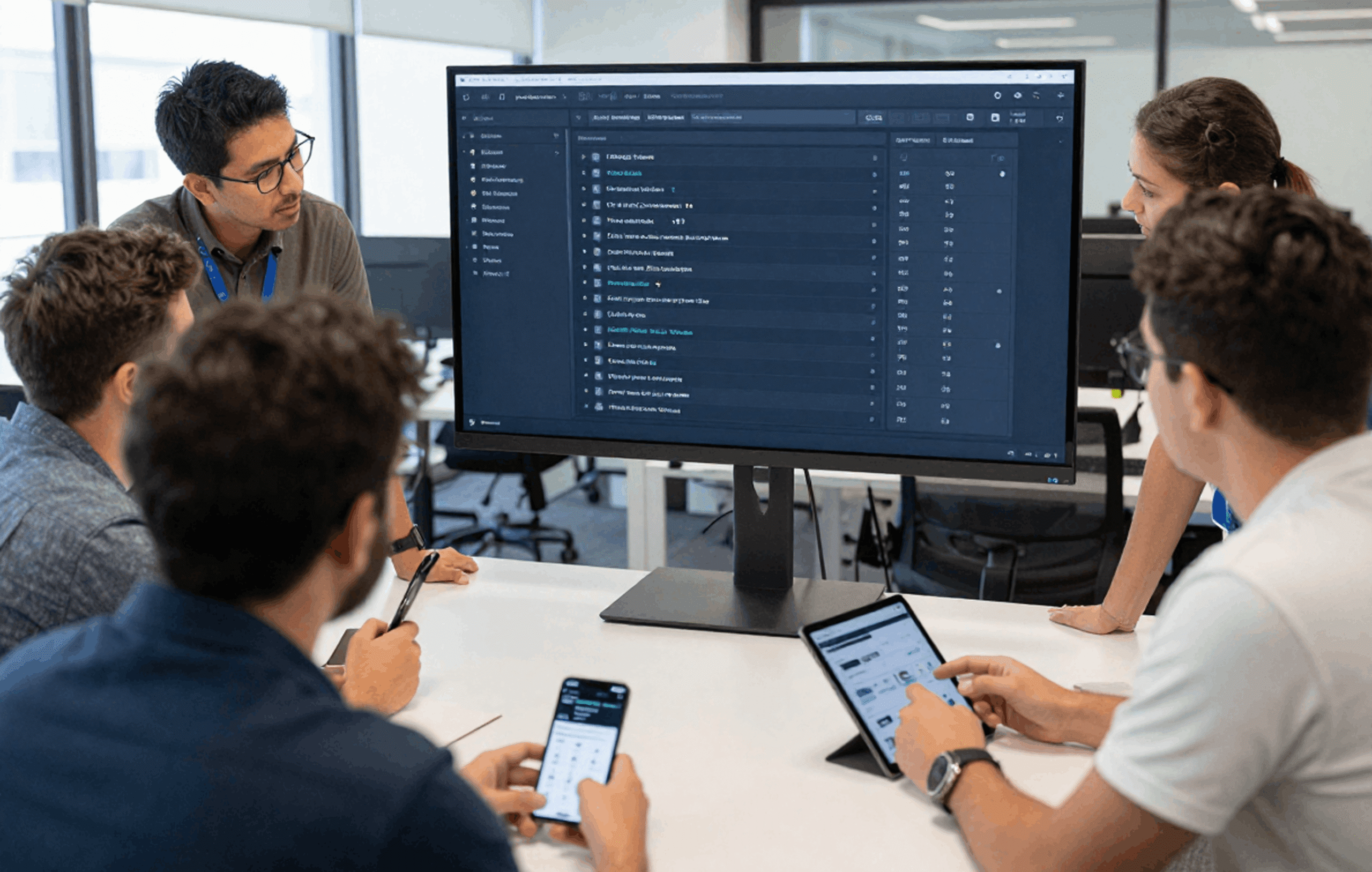
Clinics can quickly add new features like reminders for appointments, better messaging, or billing connections without having to do a lot of work.
Architecture that can be expanded for future healthcare integrations
Flutter lets you add more features like ePrescriptions, data dashboards, EMR integration, and multi-clinic systems, so the app can grow with the clinic.
Better return on investment for healthcare providers
Flutter is a long-lasting digital option for clinics that want to use telehealth services because it balances speed, performance, and cost-effectiveness.
Development Roadmap for Australian Clinics
Here is the plan for Flutter app development for clinics in Australia:
- Set clinic goals, patient needs, and rules for following through.
- Figure out what connections you need (ePrescriptions, EMR, billing, payments, etc.).
- Plan the security structure and technical architecture
- Make sure the UI/UX has clear booking and patient paths.
- Use Flutter to build the front end for iOS and Android.
- Set up a video consultation and safe backend infrastructure
- Set up procedures for data encryption and authentication
- Do security and safety testing
- Check the quality and test the performance.
- Start the test version with a small group of patients
- Put the app on the Google Play Store and the Apple App Store.
- Check on performance after launch
- Send out changes, improvements, and new features.
Help your site grow with help from skilled Flutter app developers like App Gurus.
Conclusion
Telehealth is becoming a permanent part of Australian healthcare. It helps centres be more accessible, work more efficiently, and make patients happier. To stay competitive, clinics need digital solutions that are safe, scalable, and easy to use. These solutions must also fit clinical processes and regulatory standards.
Flutter makes it easy and cheap to make healthcare apps that work well on iOS and Android. It gives clinics the confidence to start and grow their digital health services with faster deployment, lower upkeep costs, and the ability to grow as needed.
By working with skilled developers like App Gurus, Australian doctors can create telehealth platforms that are compliant and ready for the future. These platforms can provide reliable care in a digital healthcare environment.
Let’s talk

Schedule a time for personalized analysis and solutions to scale your business effectively.
Frequently Asked Questions
The time frame is usually between 3 and 6 months, but it depends on how complicated the features are, how they are integrated (EMR, billing), and what the legal rules are.
Yes, Flutter supports strong encryption, safe authentication, and backend integrations that, when done right, meet standards for protecting healthcare data.
The Privacy Act 1988, the Australian Privacy Principles (APPs), and sometimes rules from the Therapeutic Goods Administration (TGA) must be followed by telehealth apps.
Yes. These days, telehealth apps can work with electronic medical records (EMRs), billing systems, Medicare processes, payment gateways, and ePrescription services.
Costs depend on features and how complicated they are, but a simple telehealth MVP can start in the middle range. Costs go up as integrations and security needs get more complex.


With more than 14 years in the game, we excel in delivering top-notch IT solutions tailored for medium-sized enterprises and large corporations. We're committed to your success, taking great pride in both our craftsmanship and the relationships we build with our clients.

Boost your Business Today by Teaming up with the Best!
1.5k Brochure Downloaded