How Do Loyalty Apps Drive Customer Retention?

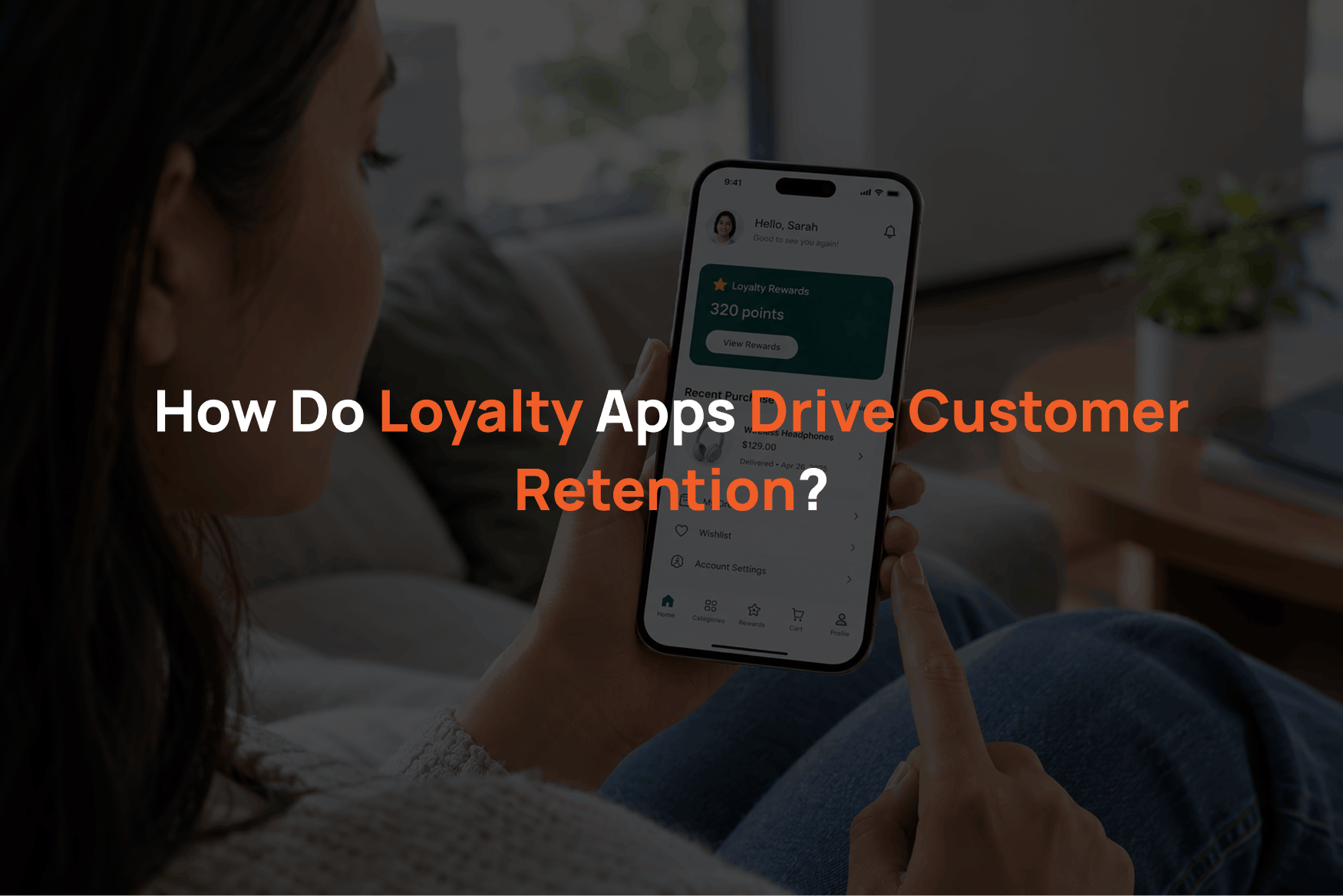
It costs five to seven times more to get a new customer than to keep an existing one, but most marketing budgets still go toward acquiring new customers. Loyalty apps change that, turning repeat customers into a growth engine instead of something you only think about.
The numbers prove it. About 83% of shoppers say they’ve bought something more than once because they were a member of a loyalty programme, and people who redeem rewards spend about three times as much as people who don’t redeem rewards. Nike+ members who shop through the app spend three times as much as nonmembers.
Starbucks says that Starbucks Rewards accounts for about 40% of its total sales. People who use the app to join visit stores more than five times as often as people who don’t have the app. That isn’t luck; it’s built into an app people use every day to show loyalty.
Here’s how loyalty apps really help keep customers.
Convenience Keeps the Brand a Tap Away
With a loyalty app on their phone, customers don’t have to dig through email or forget their punch card to find point balances, deals, and order history. People often remember a brand between purchases, and faster redemption means more use, turning a one-time buyer into a regular one.
Gamification Builds Habitual Behaviour
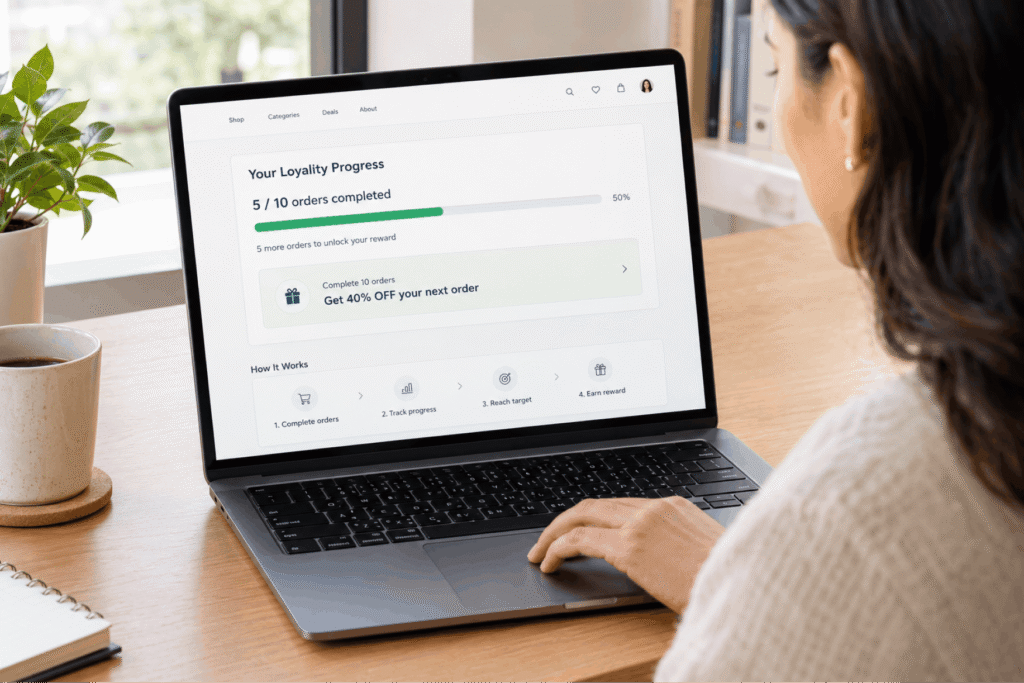
It’s the same idea behind points, streaks, tiers, and badges that makes an app stick around. Customers learn to come back often by earning small rewards regularly. Progress indicators (like “200 points to your next reward”) also build momentum that’s hard to break. Tiered status also raises the stakes: when someone is “Gold” or “VIP,” switching brands means they’ll lose something, which is something a discount code can’t do.
Personalisation Turns Data Into Relevance
When a customer uses a loyalty app, they buy something, look around, and redeem a reward. This gives the brand information that they can use to customise what happens next, like birthday rewards, restocking reminders for regular purchases, or an offer right before a customer would normally leave. Customers ignore promotions that are too general, but take seriously ones that are timed right and relevant. When brands run personalised loyalty programmes, each member usually brings in 12–18% more money each year.
Lifecycle Recognition Catches Customers at the Right Moments
Strong loyalty apps don’t wait for users to stop using them. A signup bonus can help you make that first purchase, an anniversary reward can recognise a year of loyalty, and a “we miss you” offer can trigger automatically when you stop making purchases as often. This turns a loyalty programme from a way to get discounts into a way to keep customers coming back.
Emotional Connection Goes Beyond Discounts

Things like events only invited guests can attend, plus a sense of community that keeps customers coming back, have nothing to do with price. When a customer feels like part of a group, they are more likely to forgive mistakes and make it harder for competitors to steal them with a cheaper offer.
Real-Time Engagement Closes the Loop
With push notifications and location-based triggers, an app can reach users right when they need to, like when they are close to a store, before a reward expires, or when their favourite product comes back in stock. The real-time layer is what makes a loyalty app different from a loyalty card; it can do more than just record what was done.
Building It Right
None of this helps if the app is slow or hard to use. We’ve seen at App Gurus that the loyalty apps that really help keep users are the ones that start with a quick, native experience and then add gaming and personalisation on top of that. A bad redemption flow ruins every psychological hook that a loyalty programme is trying to make.
Conclusion
Loyalty apps keep customers coming back because they combine ease of use, psychology, and customisation in a channel that customers already trust. If you want to build one for your business, App Gurus can help you create more than a digital punch card.
Let’s talk

Schedule a time for personalized analysis and solutions to scale your business effectively.
FAQs
People check them every day; they let you add games and personalisation that a paper card can't, and they send you reminders in real time instead of leaving them in your wallet and being forgotten.
All of them. People who redeem rewards spend about three times as much as people who don't redeem rewards. Effective programmes add 12–18% more annual revenue per member.
Personalised offers, game-like elements, timely push notifications, and quick, easy redemption are all options you can use. If you skip any of these, your retention gains will go down quickly.
It depends on how much you want to do. A simple points app is much cheaper than a tiered platform that lets you customise it and connect it to a POS or CRM system. Your customer base and your goals for keeping them will help you decide where to start.


With more than 14 years in the game, we excel in delivering top-notch IT solutions tailored for medium-sized enterprises and large corporations. We're committed to your success, taking great pride in both our craftsmanship and the relationships we build with our clients.

Boost your Business Today by Teaming up with the Best!
1.5k Brochure Downloaded