AI and Automation in Transportation Apps
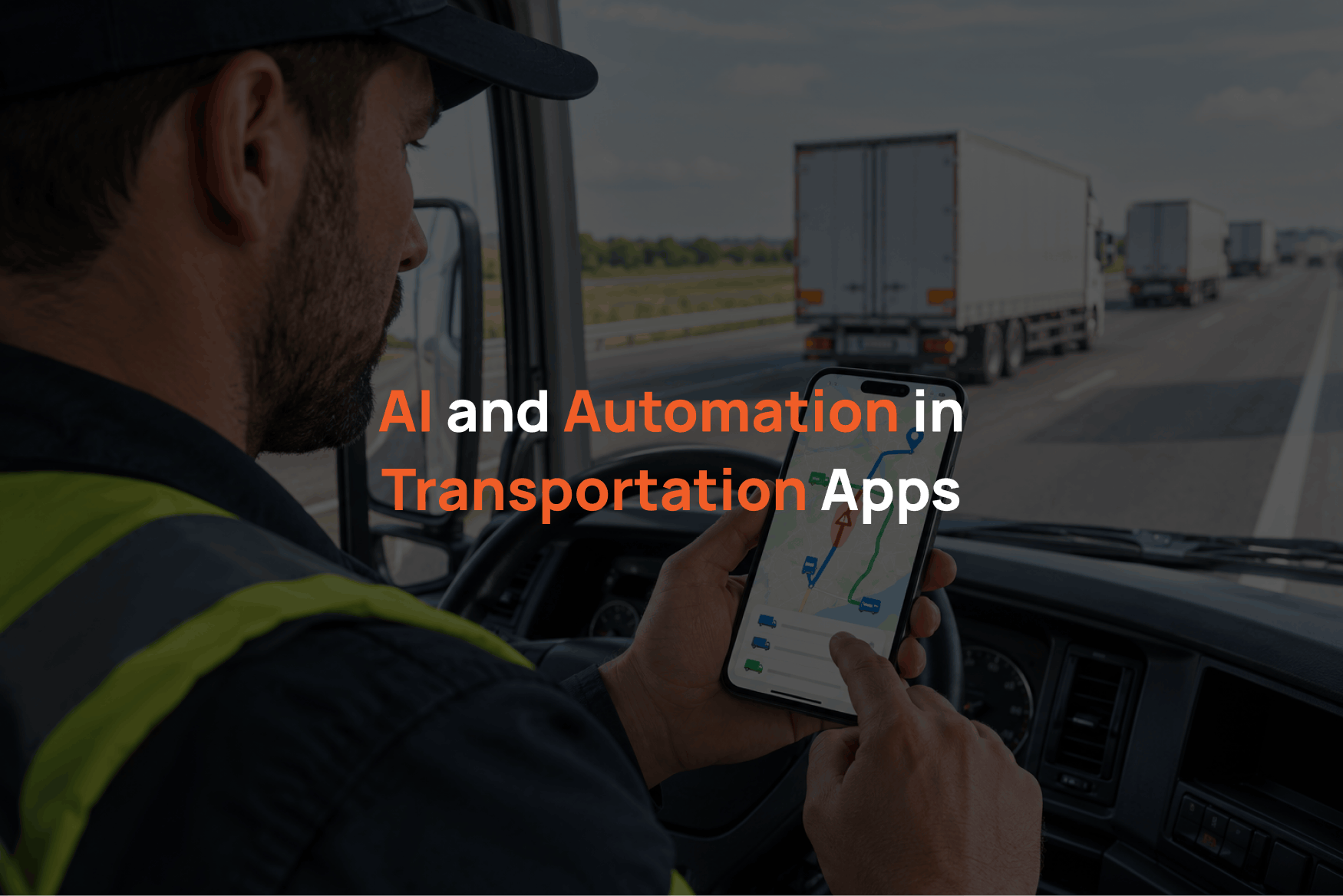
The global market for AI in transportation is expected to grow about 17.5% per year, from about USD 2.1 billion in 2024 to over USD 6.5 billion by 2031. No, transportation companies aren’t growing because they like new technology. They’re growing because AI is solving problems that have been costing them money for decades, like vehicles that aren’t being used, maintenance that isn’t being done, wasted fuel, and traffic that makes it impossible to make deliveries on time.
Transportation apps used to be just digital paper logs, job lists, and GPS coordinates. With AI and automation, they have become systems that make decisions and spot problems before they happen. That’s what it looks like in real life, and it matters if you’re building or running a fleet, logistics, or transportation app.
Smarter Route Optimisation
AI-powered routeing doesn’t just find the shortest route; it also takes into account real-time traffic, weather, delivery windows, and vehicle load to find the fastest route that makes the most sense. The benefits can be seen right away on the balance sheet: AI-driven route optimisation can cut fuel use by up to 15% and peak congestion delays by about 25% in cities with AI-adjusted traffic systems.
That’s the difference between a delivery run that makes money and one that breaks even for a fleet with dozens of vehicles that run every day.
Predictive Maintenance That Prevents Breakdowns
Instead of servicing cars at set times no matter how they’re doing, AI checks sensor data, engine performance, tyre wear, and brake wear to find problems before they break down. This method keeps vehicles on the road longer and cuts down on fleet breakdowns and repair costs by about 10–20%.
This is one of the clearest and fastest returns on AI investment for any transportation app that runs a fleet.
Real-Time Fleet Visibility and Automated Dispatch
Modern transportation apps use AI to keep track of where vehicles are, how they’re doing, and how drivers are acting at the same time. They then automatically decide which vehicle or driver is best suited for the next job. Platforms for ride-sharing and delivery use this to quickly match demand hotspots with drivers who are available. In the past, this had to be done by a human dispatcher juggling calls and a whiteboard. This kind of despatch logic, which is based on real-time events instead of a set schedule, is exactly what App Gurus adds to logistics and fleet apps.
Smarter Parking and Congestion Management
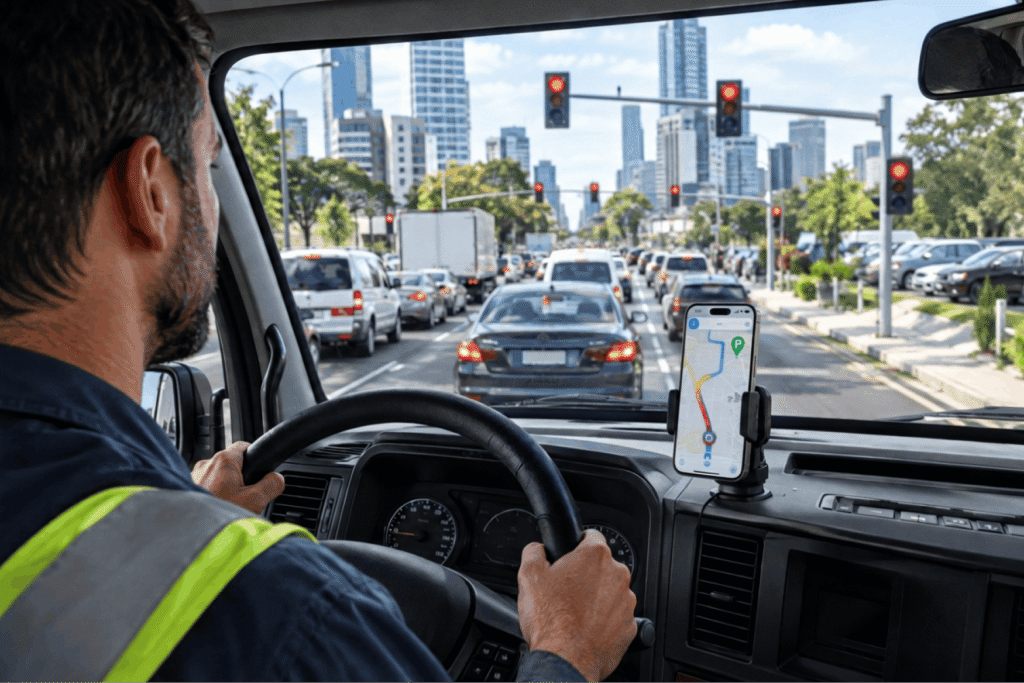
Smart parking systems that are powered by AI use cameras and sensors to find open spaces in real time. This cuts down on the time and pollution that drivers have to put into looking for a spot. Using AI to change the timing of traffic lights in cities has cut down on traffic jams by up to 25% during rush hours, which is a big win for any app that promises accurate arrival times.
Autonomous and Semi-Autonomous Capabilities
Fully self-driving cars are still a ways off, but commercial fleets already have some semi-autonomous features, like automatic braking, lane assistance, and analytics that look at driver behaviour to spot unsafe driving before it happens. These features are powered by AI, sensor fusion, real-time environmental analysis, and machine learning. Analysts think that by 2030, there could be about 58 million self-driving cars on the roads around the world.
Automated License Plate Recognition and Compliance
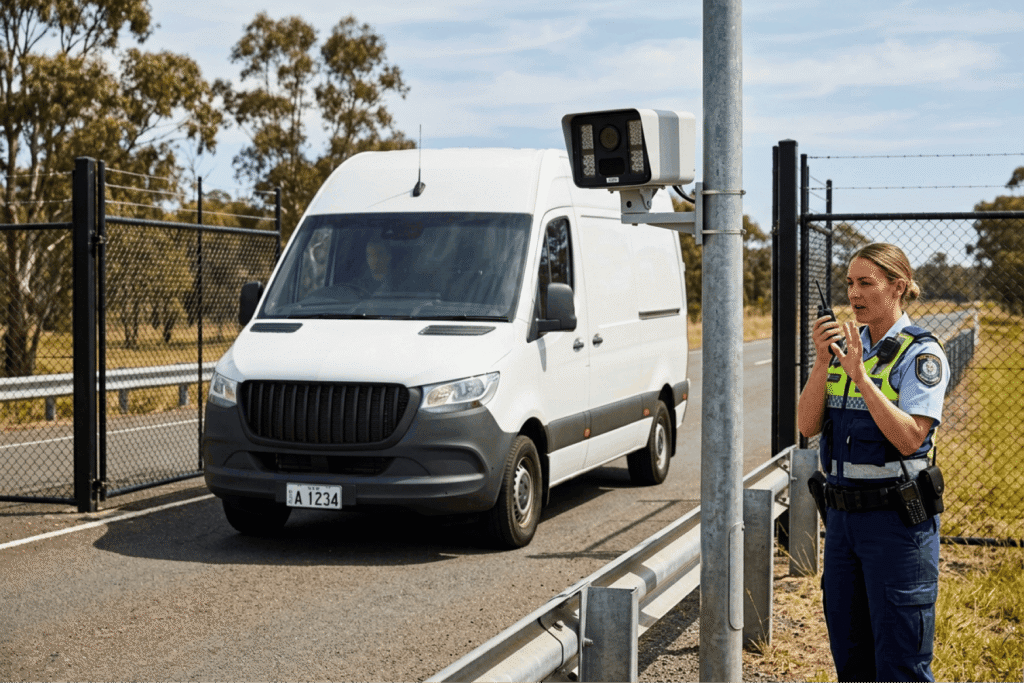
AI-based licence plate recognition is quietly automating toll collection, parking enforcement, and access control across transportation networks. This cuts down on errors and checks that have to be done by hand, and it speeds up tasks that used to need a person at a booth or gate.
Conclusion
AI and automation are no longer nice-to-haves in transportation apps; they’re becoming necessary to stay competitive in terms of price, safety, and dependability.
Businesses that adopt these new technologies first will set the standard for service that other businesses will have to follow. This is true whether it’s smarter routeing, predictive maintenance, or automated despatch. If you want to make a transportation or fleet app that uses AI, App Gurus can help you find the best place to start and build it right from the start.
Let’s talk

Schedule a time for personalized analysis and solutions to scale your business effectively.
FAQs
Mostly through optimising routes, predicting maintenance needs, and automating despatch. These things can cut down on fuel use by up to 15%, repair costs by 10–20%, and the amount of work that needs to be done to coordinate a fleet by hand.
Not at all. Today, predictive maintenance, smart routeing, and automated despatch are the things that bring the most value. None of these things need self-driving cars to work. While full autonomy is still in the works, the AI features that will really help you make money are already out there.
Pick one high-impact use case to start. Predictive maintenance and route optimisation usually show the fastest and most measurable returns. As the app grows, add features like fleet tracking, automated despatch, and compliance.

With more than 14 years in the game, we excel in delivering top-notch IT solutions tailored for medium-sized enterprises and large corporations. We're committed to your success, taking great pride in both our craftsmanship and the relationships we build with our clients.

Boost your Business Today by Teaming up with the Best!
1.5k Brochure Downloaded