AI-Powered Healthcare Apps: The Future of Digital Health
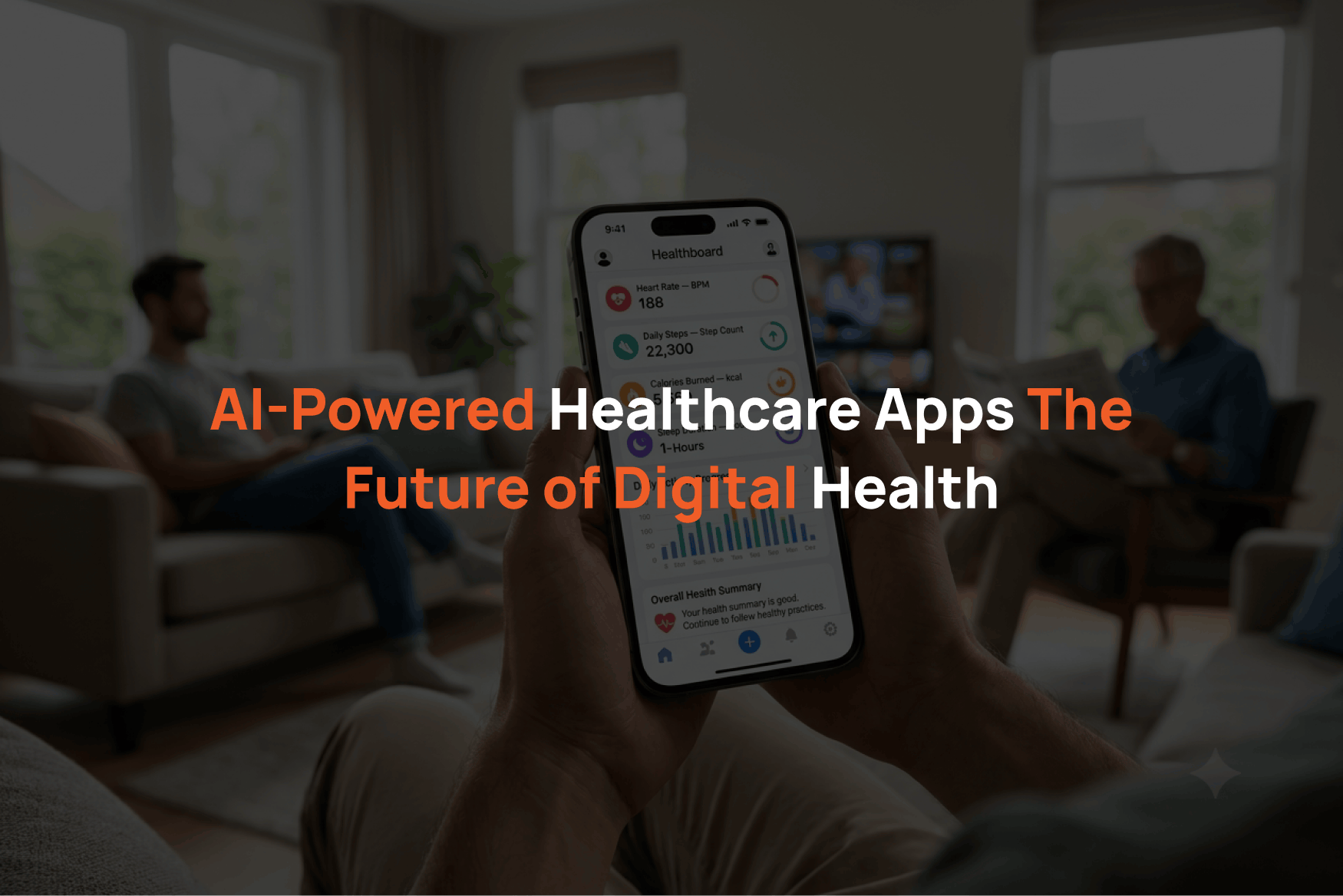
Not long ago, the first place a patient saw a doctor or nurse was in a waiting room. This year, for millions of people, it’s an AI on their phone. The global market for AI in healthcare is expected to reach USD $110.61 billion by 2030. The growth driver isn’t administrative software; it’s apps people use to handle triage, symptom analysis, mental health support, and long-term disease monitoring at scale.
The current generation of AI healthcare apps is different from earlier generations because they can think more deeply. Modern apps trained on millions of patient records can put symptoms in context, spot patterns, and connect people to the right level of care before they even talk to a real person. They aren’t replacing doctors; instead, they shorten the time between a concern and useful clinical action.
Here are five of the most important AI-powered health apps that will shape this field in 2026.
Ada Health
Ada is one of the most clinically sound AI tools for evaluating symptoms. Doctors, scientists, and engineers in Berlin built it. Its conversational, question-based interface creates a unique health profile for each user and suggests the best next steps in more than 130 countries, including Australia.
- Symptom questionnaire that changes based on time
- Health assessment reports that can be downloaded and shared with doctors
- Support in multiple languages, reviewed by licensed doctors
Pros:
- Clinically proven,
- No cost to download,
- Users without a medical background can use it.
Cons:
- Cannot be used instead of a physical diagnosis;
- Some suggestions can be too cautious;
- It has limited integration with My Health Record and other Australian electronic health record systems.
Aidoc
Aidoc is a foundational AI model built for radiology and emergency triage and is clinical-grade. It reviews CT scans, MRIs, and X-rays in near real time to help radiologists identify the most important findings. It has raised more than $500 million in funding. The platform is mostly used in hospitals in the US and Europe. It hasn’t caught on much in Australia yet, but it shows how hospital imaging workflows are evolving worldwide.
- Alerts you to time-sensitive conditions like a pulmonary embolism, a stroke, or an intracranial haemorrhage
- Works with PACS and radiology workflow tools that are already in use
- Cleared by regulators for several clinical uses in the U.S.—Australian healthcare providers should check TGA compliance before using it
Pros:
- Proven shortening of the time it takes to diagnose life-threatening conditions;
- Strong support for businesses.
Cons:
- Access is limited by custom enterprise pricing;
- Needs strong IT infrastructure;
- Not made specifically for patients.
Viz.ai

Viz.ai works in the most dangerous part of emergency medicine, in the minutes after a possible stroke. Its platform instantly sends a mobile notification to the stroke team when it detects large vessel occlusions in imaging as it comes off the scanner. Viz.ai cut stroke transfer times by 44% across participating hospital networks, mostly in the U.S. If Australian health services want similar tools, they should look for TGA-approved options or ensure they are legal before use.
- Automatic detection of LVO from CT angiography images
- Specialists are notified within seconds of the scan being finished.
- Coordinating care teams across facilities for transfers that need to happen quickly
Pros:
- Peer-reviewed effect on the survival rates of patients;
- Stops the imaging and neurology teams from having to hand off information by hand.
Cons:
- Highly specialised focus makes it harder to use in more situations;
- Alerts that aren’t true can wear down a team;
- The geographic rollout is still mostly happening outside of Australia.
Calm
Calm’s 2026 version, one of the most downloaded mental health apps in the world and widely used in Australia, relies heavily on AI. Individualisation engines create sleep, meditation, and anxiety programmes that are tailored to each user’s past behaviours and moods. This makes them easy to access for mental health support that works with traditional therapy instead of replacing it.
- AI-made sleep and meditation apps that change based on your mood history
- System for daily check-ins that track changes in emotional patterns over time
- Stress exercises based on cognitive behavioural therapy (CBT) and guided breathing
Pros:
- Easily accessible;
- Techniques backed by evidence;
- Strong for building habits that last.
Cons:
- Not a clinical tool;
- Full personalization sits behind a paywall;
- Engagement drops during acute crises.
Heidi AI

Heidi AI, which was proudly created in Australia, has become the most popular ambient clinical documentation tool in 2026. During a consultation, it listens to the conversation between the doctor and patient and automatically creates structured clinical notes. This saves frontline clinicians hours of administrative time each week and directly addresses a major cause of physician burnout. Because it’s widely used in general practice in Australia, it is especially useful for healthcare providers there.
- Recording of sounds in real time without any input from a person
- Generate SOAP notes, referral letters, and care summaries automatically
- Including EHR in all major systems, including those used in Australian practices
Pros:
- Greatly lowers the need for documentation;
- Allows general practitioners and specialists to focus fully on their patients.
Cons:
- As required by the Australian Privacy Act, patients must give permission for recordings to be made;
- Precision decreases in noisy places;
- Every note needs to be signed by a doctor.
Conclusion
These five apps show the wide range of uses AI has in modern healthcare, from a person checking symptoms at midnight to a radiologist reviewing emergency images in a trauma bay. They both involve a major change. AI is bringing clinical intelligence closer to the patient, shortening the time between raising a concern and getting a useful response.
In particular, this opportunity matters for Australia. Chronic disease rates are going up, Medicare is under a lot of stress, and there aren’t enough specialists in rural and remote areas. These problems call for smarter, more scalable tools.
Let’s talk

Schedule a time for personalized analysis and solutions to scale your business effectively.



With more than 14 years in the game, we excel in delivering top-notch IT solutions tailored for medium-sized enterprises and large corporations. We're committed to your success, taking great pride in both our craftsmanship and the relationships we build with our clients.

Boost your Business Today by Teaming up with the Best!
1.5k Brochure Downloaded