Digital Wallet Apps: The Future of Payments
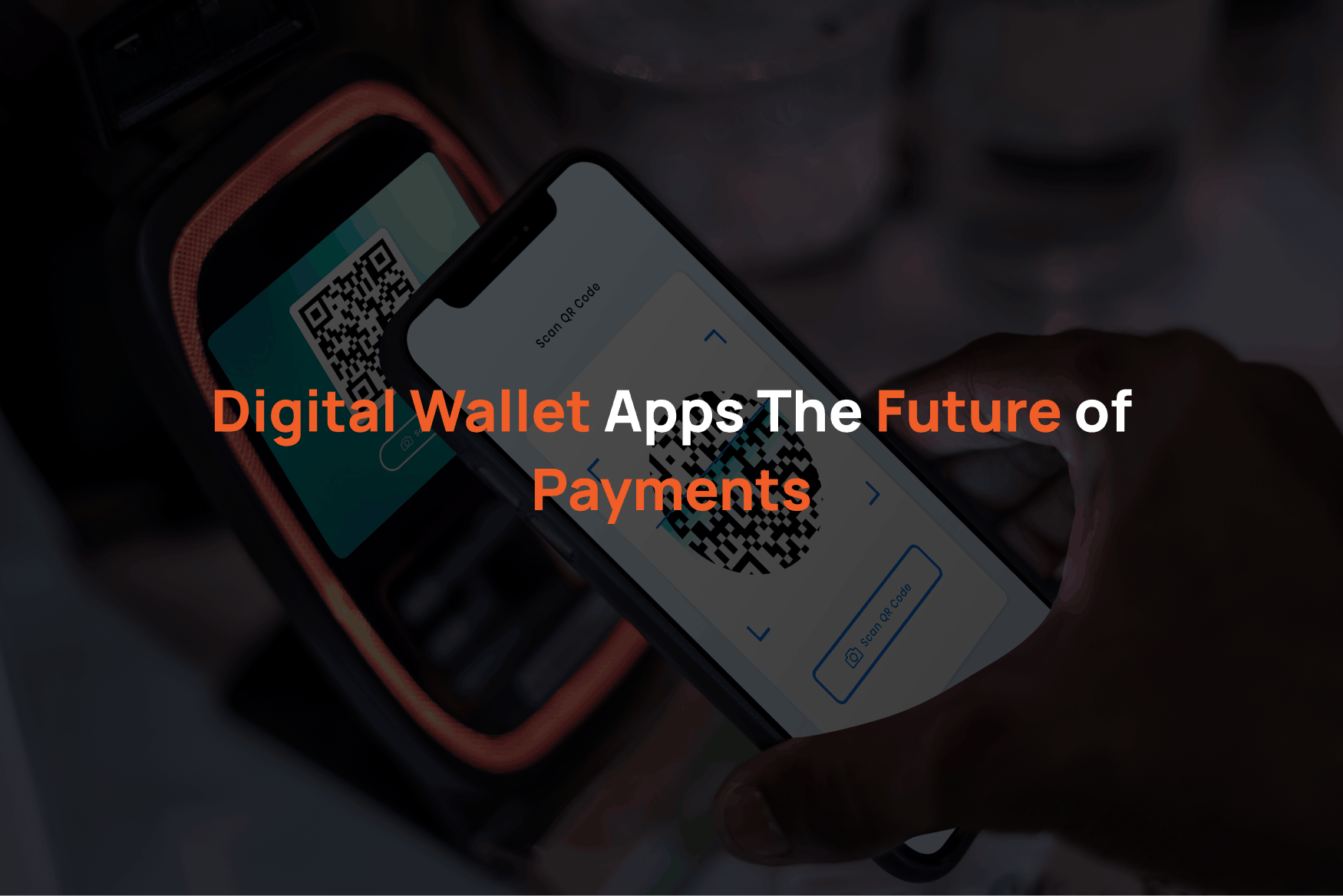
Most people don’t think twice anymore about tapping a phone at the checkout instead of pulling out a card, let alone actual cash. It’s a habit that didn’t develop overnight, and it’s precisely why digital wallets are one of the most sought after builds for teams doing fintech app development Australia wide, as banks, retailers and even smaller businesses rush to provide customers with a payment experience that feels instant.
It’s also an increasing share of the wider mobile app development Australia market, as a digital wallet isn’t usually a stand-alone product these days, but one feature inside a larger banking, loyalty or retail app.
Why Wallets Took Over So Quickly

A digital wallet solves a problem cards never really fixed: friction. Cards still need to be pulled out, tapped, sometimes signed for. A phone that’s already in your hand skips a step, and once people got used to skipping that step, going back started to feel unnecessary.
Add in the fact that a wallet can hold loyalty cards, boarding passes, and payment methods all in one place, and the appeal stops being about speed alone. It becomes about not needing five different things in your pocket just to get through a day.
There’s a generational push behind this too. Younger customers especially expect a phone to handle payments by default, and for many of them, it feels extra to carry a physical card at all, instead of the norm. Increasingly, it’s the stores that still usher customers to cash or card-only checkouts that are standing out for all the wrong reasons.
What Actually Makes a Digital Wallet Work
There are a great number of wallet applications available; however, the ones that users actually continue to use tend to have a few qualities in common:
- A tap-to-pay system that is quick and dependable, and which does not hang or fail at the terminal
- Strong security, including the use of biometric verification, prior to the movement of anything
- It is possible to support many cards and accounts without being required to have a single bank relationship.
- With instantaneous transaction history, a payment will be reflected as soon as it is made, rather than several hours later.
- Since splitting a bill has become an expectation rather than a benefit, it is important to have easy peer-to-peer transfers.
In the event that any of these are not satisfied, customers will gradually return to the method of payment they were previously employing, which is typically a physical card. This is due to the fact that trust in a payment app is gradually built up and then lost the instant something fails.
The Security Question Nobody Can Skip
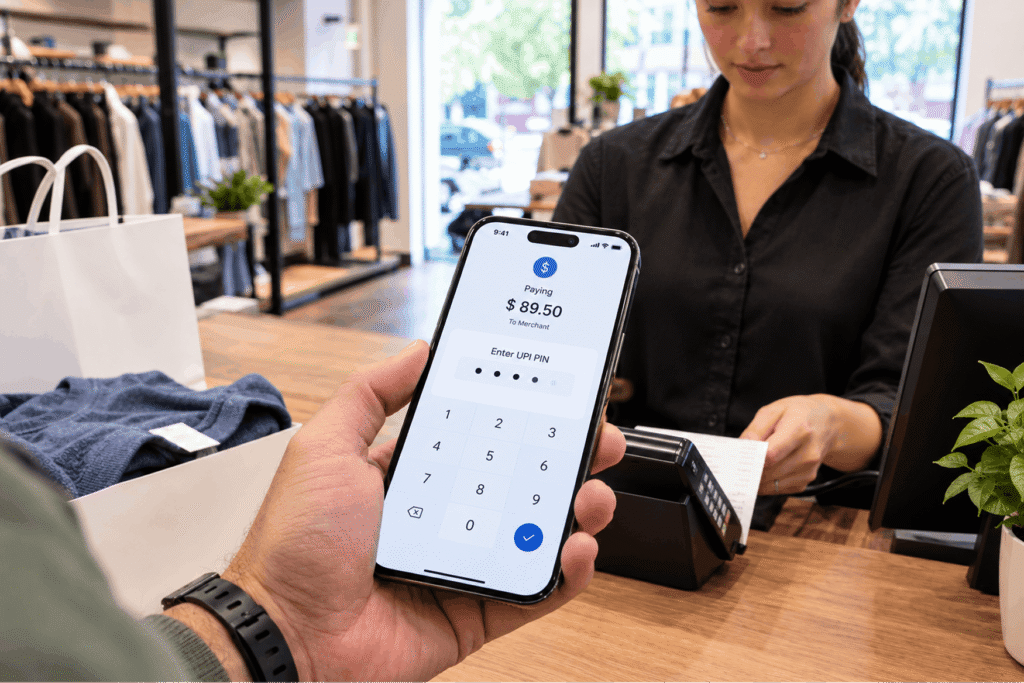
Payments carry a different level of risk than most other app categories, and users know it, even if they can’t articulate exactly why a wallet feels safe or doesn’t. Encryption, tokenisation so a real card number never actually gets transmitted, and biometric authentication aren’t nice extras here, they’re the baseline.
A wallet that gets this wrong doesn’t just lose a user, it can lose an entire customer base’s trust in the brand behind it, and that kind of damage is hard to undo with an app update. Regulatory requirements add another layer too, since a wallet handling real money usually has to satisfy the same compliance standards a bank would, regardless of how small the business behind it actually is.
Where Digital Wallets Are Headed
The wallet space isn’t slowing down. Buy-now-pay-later options are increasingly built directly into wallet checkouts rather than needing a separate app. Loyalty and rewards are getting folded in too, so a purchase automatically earns points without a separate scan or code. Some wallets are starting to support identity documents alongside payment cards, turning the same app into something closer to a digital version of an entire physical wallet, not just the card compartment.
Cross-border and multi-currency support is improving as well, which matters more as more everyday spending crosses borders without anyone really noticing. Even smaller retailers are exploring wallet-based subscriptions, letting a customer set up recurring payments without re-entering card details every time.
None of this replaces the basics though. A wallet that adds ten new features but still fails at a fast, reliable tap-to-pay has missed the point entirely.
Building One the Right Way
This is precisely the kind of development that App Gurus undertakes for their retail and financial clients. The team builds wallet features around how a specific business actually handles transactions, security requirements, and compliance.
This could be a bank that wants a full wallet experience or a retailer that wants loyalty and payments combined into one screen. Rather than just bolting a generic payment SDK on an existing app, the team builds wallet features around how a particular business does these things.
Conclusion
It’s been a while since digital wallets stopped being a novelty and became the default way a growing number of people expect to pay. The apps that win here aren’t always the apps with all the bells and whistles. They’re the apps that get the basics, speed, security and reliability right each and every time.
If you’re weighing up building a wallet feature into your own app rather than relying on a generic third-party plugin, App Gurus offers fintech app development Australia businesses can trust with the security side done properly, backed by broader mobile app development Australia experience across industries handling similarly sensitive data.
Let’s talk

Schedule a time for personalized analysis and solutions to scale your business effectively.



With more than 14 years in the game, we excel in delivering top-notch IT solutions tailored for medium-sized enterprises and large corporations. We're committed to your success, taking great pride in both our craftsmanship and the relationships we build with our clients.

Boost your Business Today by Teaming up with the Best!
1.5k Brochure Downloaded